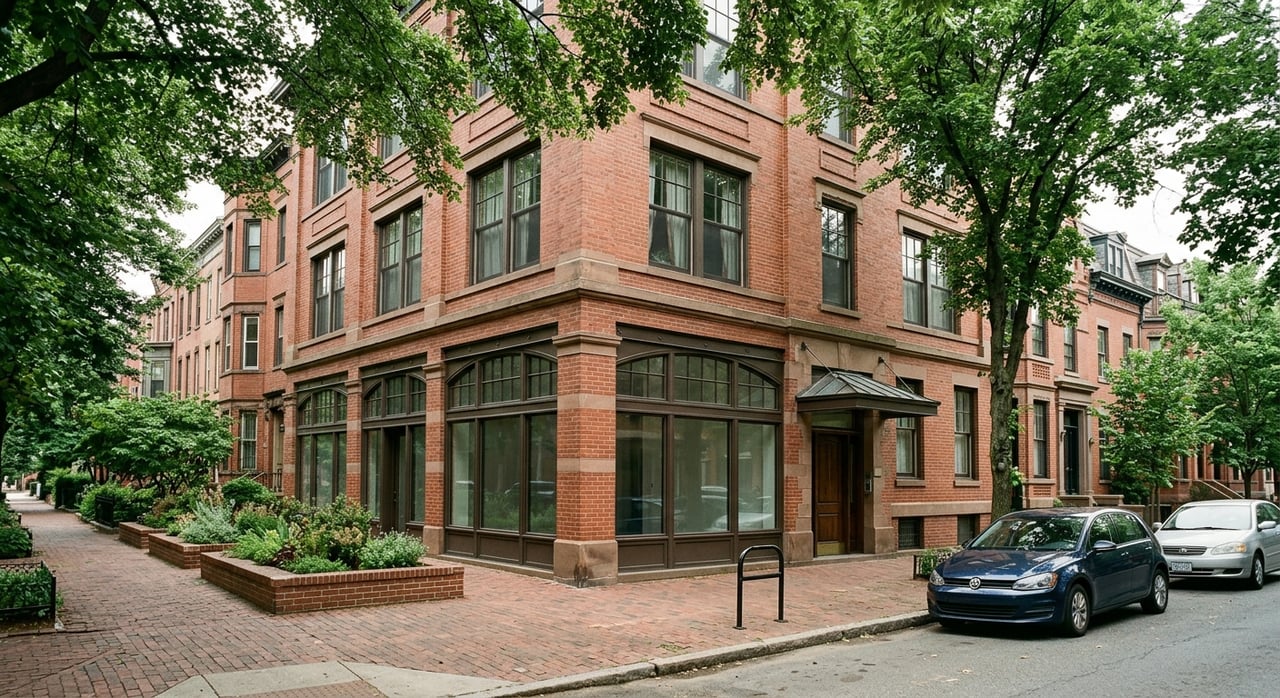
If you picture Greenville living as stepping outside for coffee, dinner, a park stroll, or a quick errand, you are not alone. Many buyers want a home that lets them drive less and enjoy more of the city on foot, but Greenville’s walkability is not the same in every area. The good news is that once you know what to compare, you can narrow in on the right fit for your routine, your noise tolerance, and your lifestyle. Let’s dive in.
What walkable living means in Greenville
In Greenville, walkable living is strongest in and around the downtown core. Main Street runs through a tree-lined district that connects places like NOMA Square, the West End, shops, restaurants, galleries, museums, theaters, public art, and Falls Park on the Reedy. Falls Park and the pedestrian Liberty Bridge help tie downtown and the West End together in a way that feels easy to enjoy on foot.
That said, Greenville is not uniformly walkable across the city. Walk Score puts the city average at 43 and notes that public transportation is minimal, which means you should think block by block instead of assuming an entire neighborhood works the same way. In practical terms, one street may support a walk-first lifestyle while the next one still calls for regular driving.
In Greenville, walkability can also mean more than storefronts and sidewalks. Sidewalk expansion through the city’s NSTEP Sidewalk Program and access to the 28-mile Swamp Rabbit Trail can make a big difference in how connected an area feels. For many buyers here, a “walkable” location includes trail access, sidewalk continuity, and a short trip to downtown amenities.
Downtown Greenville and West End
If your goal is the most complete walk-to-daily-life setup, Downtown Greenville and the West End are the strongest options to explore. Apartments.com rates Downtown Greenville at 80 out of 100 for walkability and notes that daily errands are quick and hassle-free, including a supermarket within a 5-minute walk. That kind of convenience is hard to match elsewhere in the city.
This area also puts you close to the places many buyers picture when they think about Greenville living. Main Street, Falls Park, restaurants, shopping, and event spaces all cluster here, which makes spontaneous plans a lot easier. If you like being in the middle of the action, this part of town often delivers the strongest walk-first experience.
The tradeoff is energy and noise. Downtown is described as vibrant and somewhat noisier than more residential areas, so it helps to be honest about how much bustle you want around your home. If you love having activity outside your door, that may be part of the appeal.
North Main for a quieter balance
North Main is a smart area to compare if you want walkable access without living in the busiest part of downtown. Apartments.com gives North Main a walkability score of 50 out of 100 and a quiet score of 100 out of 100, which makes it stand out for buyers who want a more residential feel. It also has trolley access to Main Street restaurants and shops.
For many buyers, this is where the Greenville compromise starts to make sense. You may not walk to everything every day, but you can stay connected to downtown while coming home to a calmer setting. That balance can be especially appealing if you want tree-lined streets and a less active nighttime environment.
If you are relocating and trying to decide from afar, North Main is worth a closer look when your wish list includes both convenience and a quieter rhythm. It gives you a downtown-adjacent option without putting you right on the busiest blocks.
Augusta Road for clustered convenience
The Augusta Road area offers another version of walkable living. VisitGreenvilleSC describes it as a district with boutique shopping, historic homes, and a strong residential identity. It tends to appeal to buyers who want useful amenity clusters and neighborhood character rather than a fully urban setup.
The scoring here is mixed, which is important to know before you rely on a headline number. Apartments.com rates the Augusta Street Area at 70 out of 100 for walkability, while Walk Score lists it at 39 out of 100. The safest conclusion is that some parts feel very convenient, but your exact block matters a lot.
This is a good reminder that Greenville walkability is often hyper-local. In Augusta Road, you should test whether the specific home you are considering puts your regular stops within a comfortable walk, rather than assuming the whole area works the same way.
West Greenville for lifestyle access
West Greenville offers a different kind of appeal. VisitGreenvilleSC describes it as an arts-and-culture area with historic mills, coffeehouses, bars, shops, and Shoeless Joe Jackson Memorial Park. If you want creative energy and local hangouts nearby, this area may be worth considering.
Its walkability is more limited for everyday errands. Apartments.com rates West Greenville at 50 out of 100 and notes that daily essentials are concentrated in a few main areas rather than spread evenly throughout the neighborhood. In other words, it may support a walkable lifestyle for coffee, dining, and entertainment more than a true walk-to-everything routine.
Noise is another factor to compare carefully here. The same source gives West Greenville a very low quiet score, so buyers who want a peaceful residential setting should evaluate individual blocks closely. This area can be a strong fit if you want activity and personality, but not if calm is your top priority.
Look at micro-areas, not just names
Sometimes the best search starts with smaller pockets rather than broad neighborhood labels. Walk Score points to areas such as Viola Street, the McBee Avenue Area, and Greenline as some of Greenville’s highest-scoring walkable pockets. For buyers who want quick access to Main Street without living on the busiest section, these terms can be useful when narrowing your search.
This matters because neighborhood names can hide a lot of variation. A home on one edge of an area may feel car-dependent, while another home a few blocks away may put dining, parks, and downtown access within easy reach. The closer your search gets to the block level, the more helpful your results will be.
Use backup systems to judge true convenience
A walkable home works better when you also have solid backup options. In Greenville, Greenlink is the main public transit system, with 12 fixed routes across Greenville County. Fixed routes run Monday through Friday from 5:30 a.m. to 11:30 p.m. and Saturdays from 8:30 a.m. to 6:30 p.m., with no Sunday service.
That schedule matters if you are hoping to rely less on your car. Greenlink can help support a car-light lifestyle, but you need to confirm whether the route you need actually runs when you would use it. A home near transit is only helpful if the timing fits your real routine.
The downtown trolley can add convenience inside the core. The free trolley runs on a fixed-stop loop with limited weekend service, including Friday evening, Saturday daytime and evening, and Sunday daytime and evening. It is also wheelchair accessible and equipped with bike racks.
Parking still matters too, even in a walk-first area. Downtown Greenville has more than 8,000 parking spaces, including about 800 free on-street spaces, along with city garages and real-time parking information. If you plan to keep a car, that can make downtown living a lot more practical.
A simple way to choose your spot
The best Greenville neighborhood for walkable living depends on what you want to walk to most often. If your priority is everyday convenience with restaurants, groceries, parks, and downtown activity close by, Downtown Greenville and the West End usually rise to the top. If you want a quieter home base with access to downtown, North Main may be the better fit.
If boutique shopping and residential character matter most, Augusta Road deserves a closer look. If arts, coffee, and restaurant access matter more than a full errand-by-foot lifestyle, West Greenville may line up better with your goals. None of these options is “best” for everyone, so your own weekly habits should guide the choice.
A helpful test is to ask whether you can comfortably walk to the places you will actually use each week, such as:
- Groceries
- Coffee or casual dining
- A park or trail
- A gym or fitness option
- A transit stop
- Parking for your household or guests
You should also think about rhythm, not just distance. Downtown is lively, West Greenville can be noisier, and North Main is calmer by comparison. A high walkability score means less if the day-to-day feel does not match how you want to live.
When you are comparing homes, this is where local guidance becomes especially valuable. A neighborhood description can help, but seeing how a specific block connects to your daily routine is what really helps you choose well. If you want help comparing Greenville’s walkable pockets and finding the right match for your lifestyle, connect with Laurel Caylor at Coldwell Banker Caine.
FAQs
What does walkable living in Greenville, SC usually mean?
- In Greenville, walkable living usually means the strongest access is in the downtown core, while other areas vary block by block and may rely on sidewalks, trail access, transit, or short drives to fill in the gaps.
Which Greenville area is best for a walk-to-everything lifestyle?
- Downtown Greenville and the West End are generally the strongest fit if you want the most complete walk-to-daily-life experience, with close access to shopping, dining, parks, and some everyday errands.
Is North Main a good option for walkable living in Greenville?
- North Main can be a good choice if you want a more residential setting with quieter surroundings and access to downtown amenities through proximity and trolley service.
How walkable is Augusta Road in Greenville?
- Augusta Road has useful clusters of shops and services, but walkability scores vary by source, so it is best to evaluate the exact block and the places you would visit most often.
Is West Greenville fully walkable for daily errands?
- West Greenville offers strong access to coffee, restaurants, and arts-related destinations, but daily essentials are more spread out, so many buyers will still need to drive for some routine errands.
Does Greenville public transit support a car-light lifestyle?
- Greenlink can help support a car-light lifestyle in some areas, but service is limited by route, day, and time, with no Sunday fixed-route service, so it is important to confirm whether it fits your schedule.
Does downtown Greenville have parking for residents and guests?
- Yes. The city says downtown has more than 8,000 parking spaces, including about 800 free on-street spaces, plus garages and real-time parking information.