Thinking about buying your first rental in Greer? It can be an exciting way to build long-term wealth, but it is also easy to underestimate the numbers, the rules, and the local details that shape whether a property actually works as an investment. If you want a clearer, more grounded way to evaluate rental opportunities in Greer, this guide will walk you through the basics so you can move forward with more confidence. Let’s dive in.
Why Greer gets investor attention
Greer has become an area many first-time investors want to watch. The city sits in both Greenville and Spartanburg counties along the I-85 corridor between Atlanta and Charlotte, and the city highlights major economic anchors such as logistics assets and BMW.
That broader growth story matters because demand often follows jobs, access, and population growth. Census QuickFacts shows a 2025 population estimate of 50,007 for Greer, which reflects strong growth from the 2020 estimate base.
At the same time, it helps to stay realistic. Greer is not a one-size-fits-all rental market, and not every property or neighborhood will perform the same way.
Understand Greer’s housing mix
One of the most important facts for beginners is that Greer remains primarily owner-occupied. Census QuickFacts reports an owner-occupied housing unit rate of 72.7%, with a median value of owner-occupied housing at $288,700.
That means you should avoid broad assumptions like “any home in Greer will make a great rental.” A smarter approach is to compare individual neighborhoods, streets, and property types rather than treating the whole city as a rental-heavy market.
This also helps set expectations for rent, turnover, and resale appeal. In a mostly owner-occupied market, some homes may attract steady tenant interest while others may have a narrower renter pool.
Best property types for beginners
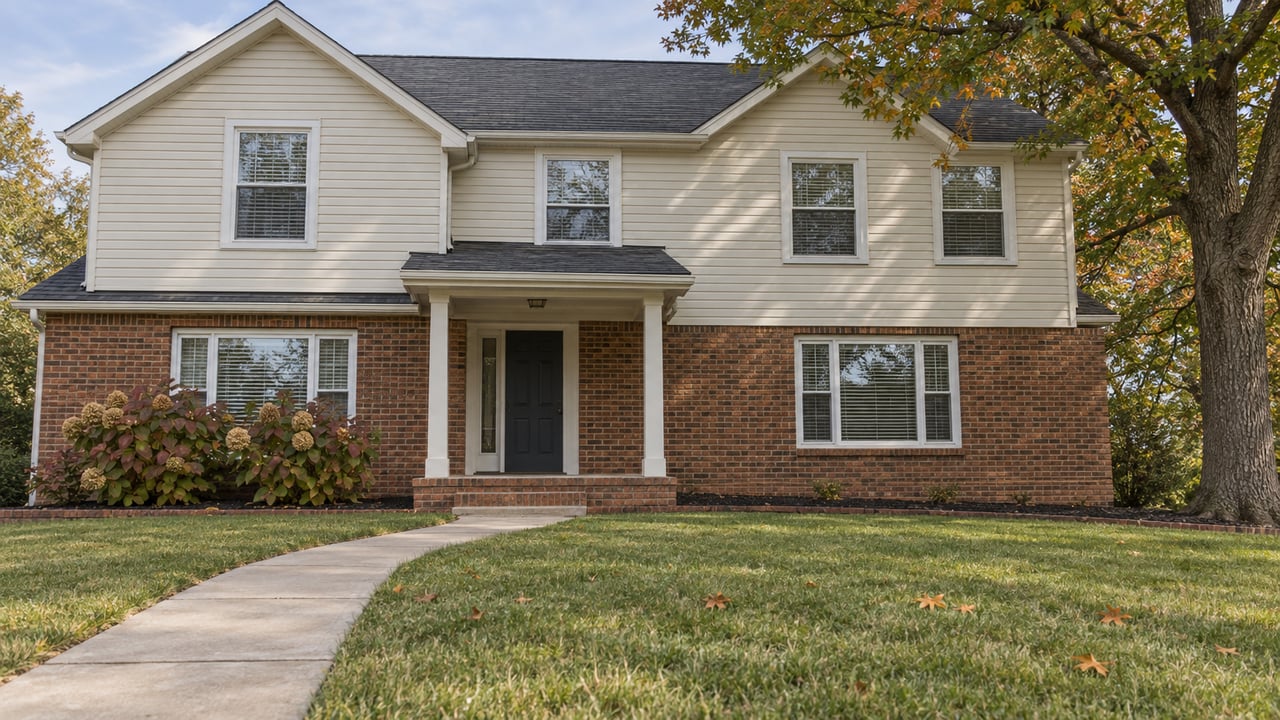
For many first-time landlords, a detached single-family home is the simplest place to start. These properties are often easier to understand from a maintenance, financing, and tenant-demand standpoint.
Townhomes, condos, and small multifamily properties can also make sense, but they usually require more review upfront. You may need to look more closely at HOA rules, rental restrictions, financing terms, and shared maintenance responsibilities.
If you are trying to keep your first deal straightforward, simple can be a strength. A clean, well-located single-family home with realistic numbers may be easier to manage than a more complex property that looks attractive at first glance.
Check zoning and permits early
If the property needs renovation or a change in use, do not wait until after closing to ask questions. The City of Greer says its plan-review process is designed to confirm compliance with building codes, zoning laws, and safety regulations.
For you, that means due diligence should include permit and zoning checks before you finalize the purchase. This step is especially important if you are planning updates, repairs, or a different use than the property has now.
A quick check early in the process can help you avoid expensive surprises later. It is much easier to solve these issues before closing than after you own the property.
Build your cash flow the right way
A common beginner mistake is to focus only on the mortgage payment. In reality, rental cash flow depends on your full carrying cost, not just principal and interest.
According to IRS rental guidance, common rental expenses include maintenance, insurance, taxes, and interest, while depreciation is handled separately. That means your monthly analysis should account for the true cost of owning and operating the property.
A simple cash flow review should include:
- Mortgage payment
- Property taxes
- Insurance
- Maintenance and repairs
- HOA dues, if any
- Leasing downtime or vacancy
- Property management fees, if applicable
If you skip any of those line items, the deal can look better on paper than it really is. Beginners often find that a property with a thin margin becomes much less comfortable once normal ownership costs show up.
Use rent comps carefully
Rent assumptions can make or break your analysis. In Greer, the numbers can look very different depending on the source you use.
Census QuickFacts lists median gross rent at $1,198 for 2020 through 2024. More current asking-rent trackers show higher figures, with Zillow listing an average rent of $1,795 as of March 31, 2026, and Zumper showing a May 2026 median rent of $1,700.
That gap is a good reminder that older survey data and live asking-rent data are not measuring the same thing. If you are evaluating a specific property, the safer move is to compare it against current listings and recent rental comps in the same submarket, then use conservative assumptions.
In other words, do not choose the highest number you can find and hope it works. A more cautious estimate usually gives you a better picture of whether the property still makes sense.
Budget for vacancy and turnover
Greer’s growth story is encouraging, but growth does not remove vacancy risk. Even in a strong market, tenants move, homes need touch-ups, and lease-up periods can take time.
That is why it helps to build a vacancy reserve into your numbers from day one. If you only break even when the property is occupied every single month at your target rent, the deal may be more fragile than it looks.
A healthier plan is to stress-test the property before you buy it. Ask yourself whether the numbers still work if rent comes in lower than expected or if you face a few weeks of downtime between tenants.
Know where the property sits
Greer spans both Greenville and Spartanburg counties, and that small detail can matter more than many first-time investors expect. The exact address can affect tax and permitting details, so it is important to confirm which county and jurisdiction the property is actually in.
This is one reason local guidance can be so helpful. Two homes with a Greer address may not have identical local considerations, even if they seem close together on a map.
Before you buy, verify the property’s location carefully and make sure your due diligence reflects the right county and city processes. That extra step can save time and confusion later.
If you hire a property manager
Not every first-time landlord wants to self-manage, especially if you live out of the area or want a more hands-off approach. If you plan to hire professional help, make licensing part of your screening process.
The South Carolina Department of Labor, Licensing and Regulation says individual property management offices must be supervised by a South Carolina licensed property manager-in-charge or broker-in-charge. The agency also notes that property-manager applicants complete a commission-approved 30-hour pre-licensing course and exam.
For you, that means it is reasonable to ask direct questions about who supervises the office and how the company is licensed. A good interview should also cover fees, lease-up process, communication, maintenance handling, and how they manage turnover.
Learn the basic landlord rules
Before you become a landlord, it helps to understand a few core legal guardrails. South Carolina’s Residential Landlord and Tenant Act says security deposits must be returned less allowed deductions, with an itemized written notice due within 30 days after termination of the tenancy and delivery of possession.
You also need to follow fair housing laws. Federal fair housing rules prohibit discrimination in housing because of race, color, national origin, religion, sex, familial status, or disability.
These are not optional best practices. They are basic parts of operating a rental property responsibly and legally.
A simple Greer rental checklist
If you are looking at your first or second rental in Greer, keep your process simple and disciplined. A few practical checks can help you avoid beginner mistakes.
Use this checklist as a starting point:
- Confirm which county and jurisdiction the property is in
- Review zoning and permit needs during due diligence
- Estimate rent using current comps in the same submarket
- Model cash flow with realistic operating expenses
- Include vacancy and repair reserves
- Review HOA rules or rental restrictions, if applicable
- Verify any property manager’s South Carolina licensing and supervision
- Talk with a CPA, lender, and real estate attorney about tax treatment, financing, depreciation, and entity structure before purchase
You do not need a perfect property to get started. You do need clear numbers, careful due diligence, and a realistic plan for ownership.
Final thoughts for beginner investors
Greer can offer real opportunity for beginner landlords, especially if you focus on the basics instead of chasing hype. Strong population growth, access to major employment corridors, and a range of housing options make it a market worth watching, but success still comes down to the individual property and the quality of your analysis.
If you stay conservative with rent estimates, budget honestly for expenses, and verify local details early, you can make smarter decisions and lower your risk. That kind of disciplined start often matters more than finding a so-called perfect deal.
If you are thinking about buying a rental in Greer and want local insight on neighborhoods, property types, and what to watch for before you make an offer, Laurel Caylor at Coldwell Banker Caine would be glad to help you take the next step.
FAQs
What makes Greer, SC appealing for beginner rental investors?
- Greer offers strong population growth, access to the I-85 corridor, and major economic anchors, but beginners should still evaluate each property and neighborhood individually because the city remains mostly owner-occupied.
What property type is best for a first rental in Greer?
- For many beginners, a detached single-family home is the simplest option because it is often easier to evaluate, finance, and manage than condos, townhomes, or small multifamily properties.
What rent should you use when analyzing a Greer rental property?
- Use current rental comps and active listings in the same submarket, and stay conservative, because older survey data and current asking-rent trackers can show very different numbers.
What expenses should beginner landlords include in Greer cash flow projections?
- Your projection should include the mortgage, taxes, insurance, maintenance, repairs, HOA dues if applicable, vacancy, and property management fees if you plan to hire management.
What should you verify before hiring a property manager in South Carolina?
- You should confirm that the office is properly supervised by a South Carolina licensed property manager-in-charge or broker-in-charge and ask clear questions about fees, communication, maintenance, and lease-up procedures.
What legal rule should Greer landlords know about security deposits?
- In South Carolina, security deposits must be returned less allowed deductions, with an itemized written notice due within 30 days after termination of the tenancy and delivery of possession.
Why does county location matter for a Greer investment property?
- Greer spans Greenville and Spartanburg counties, so the exact property location can affect permitting and tax details during your due diligence process.