If you are torn between a condo and a house in Greenville, you are not alone. Many buyers find themselves weighing walkability, monthly costs, upkeep, and day-to-day lifestyle, especially in a market that offers both downtown energy and established residential neighborhoods. The good news is that there is no one-size-fits-all answer, and with the right framework, you can make a confident choice. Let’s dive in.
Start With Your Lifestyle
The best way to decide between a condo and a house in Greenville is to begin with how you want to live, not just what you want to spend. A lower list price does not always mean a lower monthly cost, and more space does not always mean better value for your situation.
If you picture yourself close to restaurants, parks, and downtown activity, a condo may feel like the better match. If you want more room, a yard, and greater control over your property, a house may be the stronger fit.
In Greenville, those choices often line up with location. VisitGreenville describes downtown Greenville as tree-lined and walkable, with parks, restaurants, and mixed-use spaces stretching along Main Street from NOMA Square and ONE City Plaza to RiverPlace and the West End.
Condo Living in Greenville
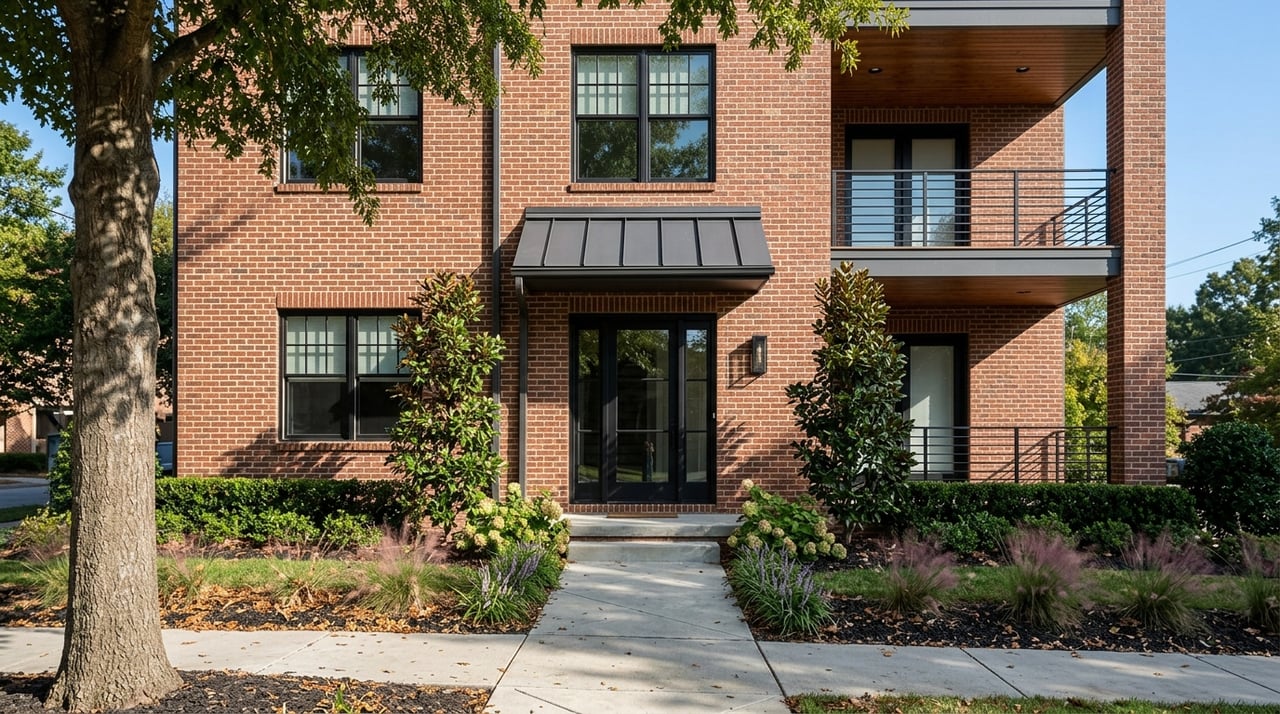
For many buyers, condos make sense because they support a simpler day-to-day routine. That can be especially appealing if you are a first-time buyer, downsizing, relocating, or looking for a home you can lock and leave more easily.
Downtown Greenville is the clearest local example of that lifestyle. The city core offers walkable access to Main Street, the West End, and RiverPlace, and Greenville’s maps and visitor resources also note more than 800 free on-street parking spaces and 14 public parking facilities, which makes parking part of the lifestyle equation when comparing urban living options.
Why a condo may fit you
A condo may be a strong fit if you want:
- Walkability to shops, dining, and public spaces
- Less exterior upkeep on your own to-do list
- A more flexible lock-and-leave setup for travel or busy schedules
- Shared amenities or common spaces, depending on the property
- A home closer to Greenville’s urban core
Historic mill conversions and loft-style living also shape part of Greenville’s downtown housing mix. VisitGreenville notes that historic cotton mills have been converted into loft apartments, which helps illustrate the kind of urban, lower-maintenance living many buyers associate with condo ownership.
What condo ownership really means
A condo can reduce some of the exterior maintenance you would handle with a house, but it is not maintenance-free. Under South Carolina’s Horizontal Property Act, condo ownership involves shared responsibility for common elements, association records, insurance obligations, and access for maintenance or emergencies.
That means you should think of a condo as a different ownership structure, not a hands-off one. The association often manages more shared maintenance, but you are still responsible for your unit and your share of certain common costs.
House Living in Greenville
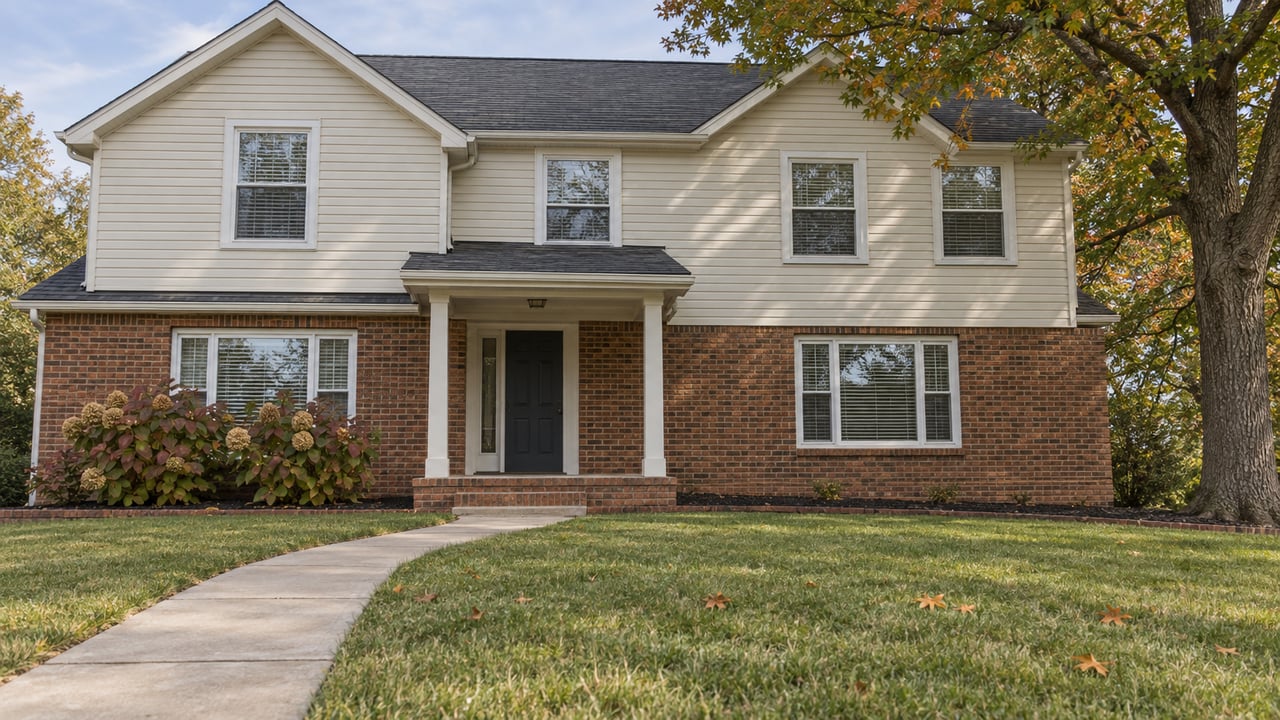
If your priority is space and control, a house often wins. Many buyers like having more room indoors and outdoors, plus more freedom when planning updates and repairs.
That choice often aligns with Greenville’s established residential areas. The city highlights historic districts such as Hampton-Pinckney, Overbrook, Pettigru, Heritage, and East Park Avenue, while local destination resources also point to Augusta Road as a residential area known for historic homes.
Why a house may fit you
A house may be a better fit if you want:
- More interior square footage
- A yard or more outdoor space
- More privacy from shared walls and common areas
- Greater flexibility for improvements over time
- A setting that feels more residential than urban
For buyers planning to stay put for several years, that extra space can support changing needs over time. It can also be appealing if you want room for hobbies, storage, guests, or a home office.
What house ownership really means
With a house, you typically take on more direct responsibility for maintenance and repairs. The Consumer Financial Protection Bureau reminds buyers that homeownership costs can include repairs, property taxes, insurance, and HOA dues if they apply.
That last part matters. A lot of buyers assume a house means no HOA, but that is not always true. CFPB explains that some planned subdivisions and organized communities require HOA dues, so it is important to review each property carefully rather than assume all houses come without community fees.
Compare Total Monthly Cost
One of the biggest mistakes buyers make is comparing only purchase price. A condo may have a lower price tag but higher monthly dues, while a house may cost more upfront and require a bigger repair budget over time.
The better comparison is total monthly cost. That gives you a more realistic view of what ownership will feel like after closing.
What to include in your comparison
When you compare a condo and a house in Greenville, look at:
- Mortgage principal and interest
- Property taxes
- Homeowners insurance
- HOA or condo dues, if any
- A repair and maintenance reserve
The CFPB specifically notes that condo and HOA dues are usually paid separately from your mortgage. It also warns that a lower-priced condo with higher dues can end up costing about the same each month as a more expensive single-family home with no HOA dues.
Understand Greenville Property Taxes
Taxes are another reason to avoid broad assumptions. In Greenville County, primary residences may qualify for a 4% assessment ratio, while other real property is generally assessed at 6%. The county also notes that the final tax levy depends on both assessment ratio and millage.
For condos, South Carolina law adds another layer. Under the state condo statute, each unit is taxed as a separate entity, so the most accurate approach is to compare taxes property by property, not by saying condos are always cheaper or houses are always higher.
Review HOA and Condo Documents Carefully
Whether you choose a condo or a house, paperwork matters. If the property is part of an HOA or condo association, you need to understand the rules, fees, and financial structure before you commit.
South Carolina’s Department of Consumer Affairs notes that sellers must disclose HOA membership through the state Residential Property Disclosure Statement, and governing documents must be filed. Owners can also access items such as budgets and membership lists, which makes document review an important part of due diligence.
Questions worth asking
Before you move forward, ask for clarity on:
- Current monthly dues
- What the dues cover
- Any recent or planned major repairs
- Rules that may affect your use of the property
- Budget and financial records available for review
This step helps you compare properties more accurately and avoid surprises after closing.
Think About Your Daily Routine
A smart condo-versus-house decision also comes down to what your week actually looks like. If you travel often, work long hours, or want less exterior upkeep on your list, a condo may support your routine better.
If you enjoy home projects, want more storage, or see yourself using a yard regularly, a house may feel more rewarding. The right choice is the one that fits your time, budget, and plans for the next few years.
A Simple Decision Framework
If you are still unsure, use this quick lens:
Choose a condo if you prioritize
- Walkability
- Shared exterior maintenance
- Downtown access
- Lock-and-leave convenience
- A more urban lifestyle
Choose a house if you prioritize
- More living space
- A yard
- More control over improvements
- Fewer shared spaces
- A more traditional residential setting
Greenville gives you both options. The city’s housing and neighborhoods resources reflect that range, which is part of what makes buying here so appealing. You do not need the “best” property type in general. You need the one that matches how you want to live.
The Right Choice Is Personal
In Greenville, a condo can be the right move for a buyer who wants walkability, convenience, and a simpler exterior maintenance picture. A house can be the right move for someone who wants more room, more privacy, and more control over the property. Neither option is automatically cheaper, easier, or better.
The goal is to compare lifestyle fit and total monthly cost side by side. If you want help thinking through Greenville neighborhoods, monthly costs, HOA documents, or which property type best fits your goals, Laurel Caylor at Coldwell Banker Caine is here to guide you with local insight and practical advice.
FAQs
How do condo fees affect monthly housing costs in Greenville?
- Condo fees are usually paid separately from the mortgage and should be added to your full monthly housing budget along with taxes, insurance, and other ownership costs.
Are houses in Greenville always free from HOA dues?
- No. Some houses in planned subdivisions or organized communities also have HOA dues, so you should review each property’s disclosures and documents carefully.
Is a condo in downtown Greenville maintenance-free?
- No. A condo can reduce some exterior maintenance responsibilities, but owners still share certain common costs and remain responsible for their unit.
Are property taxes lower for condos than houses in Greenville County?
- Not always. Taxes should be compared property by property because assessment ratio, millage, and the specific property all affect the final tax bill.
What areas of Greenville fit condo living best?
- Downtown Greenville, including Main Street, RiverPlace, and the West End, is the clearest local example of a walkable, urban lifestyle that often aligns well with condo living.
What areas of Greenville fit house living best?
- Greenville’s established residential areas and historic districts, along with residential areas like Augusta Road, are common examples of places that align more naturally with single-family home living.