Trying to choose between downtown Greenville and the suburbs? You are not alone. For many buyers, this decision shapes how each day feels, from your morning commute to how easily you can grab coffee, get outside, or spread out at home. The good news is that Greenville gives you real options, and each one offers a distinct lifestyle. This guide will help you compare the feel, housing, pricing, and day-to-day rhythm of each so you can move forward with more confidence. Let’s dive in.
Why the choice feels different
Downtown Greenville and suburban Greenville are not just different mailing addresses. They offer meaningfully different living environments.
According to U.S. Census QuickFacts, Greenville city is much denser than Greenville County, with 2,381.9 people per square mile in the city compared with 668.7 in the county. The city also has a lower owner-occupancy rate at 41.1%, compared with 68.9% countywide. In practical terms, that often means a more urban housing mix near the core and a more residential pattern farther out.
The same source shows Greenville city at 74,371 residents in 2024, while Greenville County has 570,745 residents. County growth since 2020 has also outpaced city growth, 8.6% versus 4.6%, which suggests that much of the region’s recent housing expansion has happened beyond the urban core.
What downtown Greenville feels like
If you picture yourself stepping out for dinner, walking to events, or spending free time in parks and on trails, downtown Greenville may feel like a natural fit. The area centers around Main Street and Falls Park on the Reedy, with easy access to restaurants, coffee shops, arts events, and seasonal festivals.
VisitGreenvilleSC highlights downtown attractions such as Falls Park, Downtown Alive, Fall for Greenville, and the 28-mile Swamp Rabbit Trail network that runs through the city. That mix can make downtown feel active and connected, especially if you enjoy being close to local events and outdoor spaces.
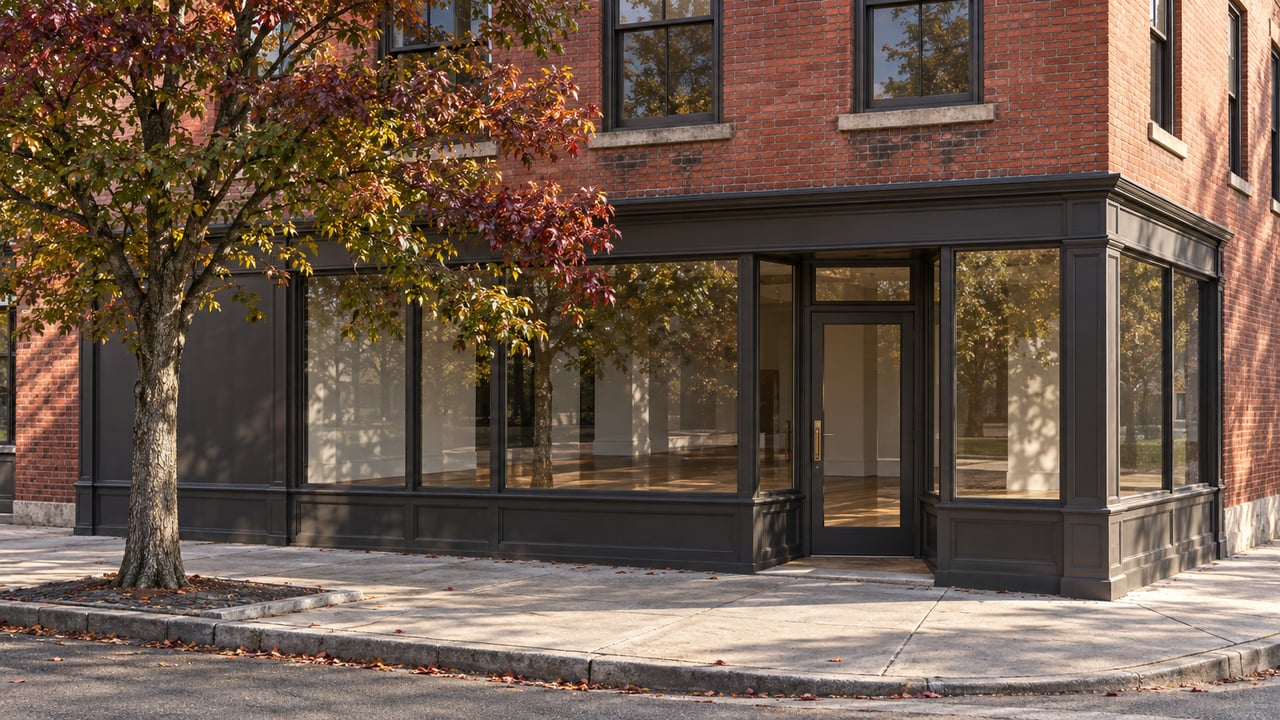
Housing downtown also tends to reflect that urban setting. You are more likely to find condos, loft-style living, and a smaller pool of available homes than in the broader county. VisitGreenvilleSC also notes the presence of former mill buildings converted into loft apartments, which helps paint a clear picture of the housing style many buyers associate with the downtown area.
What suburban Greenville feels like
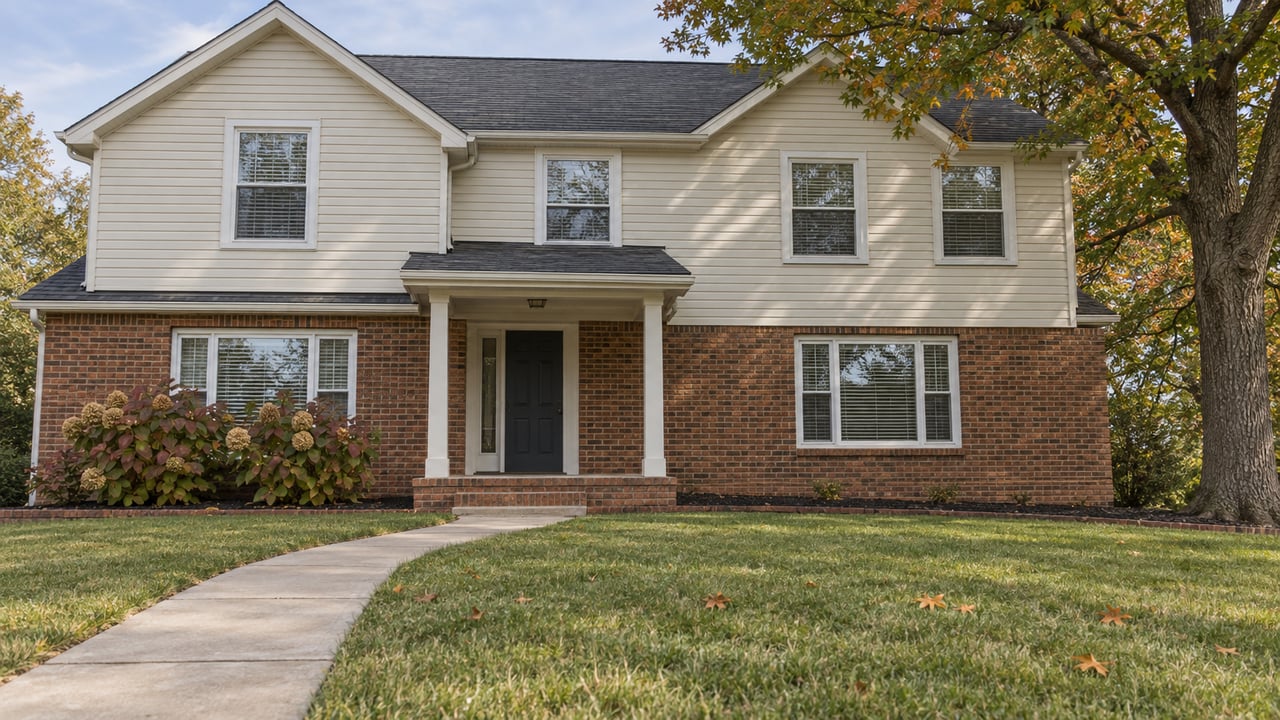
If your ideal home base is quieter, more spread out, or more residential in feel, the suburbs may be a better match. Across areas such as Simpsonville, Greer, Mauldin, and Travelers Rest, you will find a wider range of home styles, price points, and lot sizes than you typically see downtown.
Suburban Greenville is not one single experience. Some areas offer easier access to the city while still feeling more residential, while others trade a bit more drive time for different housing options and a slower pace. That variety is one reason so many buyers begin their search outside the downtown core.
It is also where much of the region’s growth is happening. With county growth outpacing city growth, buyers looking for more inventory and more choice are often naturally drawn to surrounding communities.
Comparing home prices
One of the clearest differences between downtown and suburban Greenville is price. Downtown sits at the premium end of the local market.
Realtor.com’s Downtown Greenville overview places the neighborhood’s median home sale price at $824,000, while ZIP code 29601 is around $699,000. That puts downtown well above the broader county market.
By comparison, Realtor.com’s Greenville County market snapshot places Greenville around $389,000, Simpsonville around $399,900, Greer around $394,700, Mauldin around $339,925, and Travelers Rest around $550,000. The countywide median home price is about $390,000.
That spread matters. If you want to stay close to downtown amenities, you may pay a premium for location and lifestyle. If your priority is stretching your budget, the suburbs often offer more options, although some areas, especially Travelers Rest, can still land in a higher price tier.
Comparing inventory and choice
Price is only part of the story. Inventory can shape your experience just as much.
The latest Downtown Greenville market snapshot shows just 49 homes for sale. That is a much smaller pool than the roughly 1.6K homes for sale in Greenville city and about 4.2K in the county.
For you as a buyer, that can mean fewer choices downtown and a search that may require more patience or faster decision-making. In the suburbs, the larger inventory can give you more flexibility on layout, price, and location.
Getting around day to day
Your daily routine is another major factor. If you want a more car-light lifestyle, downtown Greenville has some advantages.
According to VisitGreenvilleSC’s downtown transportation information, downtown offers more than 800 free on-street parking spaces, 14 public parking facilities, a free wheelchair-accessible trolley on fixed-stop loops, and access to Greenlink public transit. That setup can make getting around the core easier without relying on your car for every short trip.
Commute times also provide helpful context. U.S. Census QuickFacts lists the average one-way commute at 19.0 minutes in Greenville city and 23.4 minutes in Greenville County. That does not define every household’s experience, but it does support the idea that living farther from the core often means a somewhat longer drive on average.
If you are considering transit, Greenlink rider information in the same downtown transportation source notes weekday service from 5:30 a.m. to 11:30 p.m., Saturday service, and no Sunday service. For some buyers, that works well enough to support a flexible routine. For others, a car will still be essential.
How to decide where you will feel at home
The right fit often comes down to how you want daily life to work. A good starting point is to think less about labels like “urban” or “suburban” and more about what matters most to you each week.
Downtown Greenville may fit you best if you value:
- Walkable access to restaurants, parks, and events
- Higher-density housing such as condos or loft-style homes
- A shorter average commute
- Being close to Main Street, Falls Park, and the Swamp Rabbit Trail
- A car-light routine with trolley or transit support
Suburban Greenville may fit you best if you value:
- More space and a more residential feel
- A wider range of price points
- More available listings and neighborhood options
- Flexibility across areas like Greer, Simpsonville, Mauldin, or Travelers Rest
- Prioritizing square footage or layout over proximity to downtown
Neither option is universally better. The best choice is the one that supports your budget, your routine, and the kind of home life you want to build.
A smart way to narrow your search
If you are still torn, try comparing your top priorities in this order:
- Budget: Start with the price range that feels comfortable.
- Lifestyle: Decide whether you want walkability or more space.
- Commute: Think about how often you need to be near the city center.
- Housing type: Consider whether a condo, loft, or single-family home suits you best.
- Inventory: Be realistic about how much flexibility you want during your search.
This approach can quickly bring clarity. It also helps you avoid falling in love with an area that does not fit your everyday needs.
Whether you are buying your first condo near downtown, relocating to Greenville, or looking for a home with more room outside the core, local guidance can make the process much easier. Laurel Caylor at Coldwell Banker Caine offers personalized, neighborhood-level support across Greenville and the Upstate, helping you compare options, understand pricing, and move forward with confidence.
FAQs
What is the main difference between downtown Greenville and suburban Greenville?
- Downtown Greenville generally offers a denser, more walkable environment with easier access to restaurants, parks, and events, while suburban Greenville typically offers more space, a more residential feel, and a wider range of home prices.
Is downtown Greenville more expensive than the suburbs?
- Yes. Realtor.com reports a median home sale price of $824,000 in Downtown Greenville, compared with about $390,000 countywide, though some suburban areas such as Travelers Rest can still be priced higher than the county median.
Is it easier to find homes in suburban Greenville than downtown?
- Usually, yes. Downtown Greenville has a much smaller number of listings than the broader city and county, which can mean fewer choices for buyers.
Can you live in downtown Greenville with less reliance on a car?
- In many cases, yes. Downtown offers walkable amenities, free trolley service, public parking options, and access to Greenlink transit, which can support a more car-light routine.
Do suburbs around Greenville have longer commutes?
- On average, yes. Census data shows the average one-way commute is 19.0 minutes in Greenville city and 23.4 minutes in Greenville County, though your actual commute will depend on your location and work schedule.
Which Greenville area is best if you want more space for your budget?
- Many buyers look to suburban areas for more space and more pricing flexibility than downtown, with options across communities such as Mauldin, Greer, and Simpsonville.