If your Simpsonville home does not catch a buyer’s eye online, it may never make the short list for an in-person showing. In a market where most buyers start on their phones or laptops, your home’s first showing often happens through photos. The good news is that you do not need a full renovation to make a strong impression. With the right staging choices, you can help your home look cleaner, brighter, and more inviting from the very first click. Let’s dive in.
Why online staging matters in Simpsonville
Simpsonville is a growing market, and it is also a highly connected one. Census Bureau estimates show 94.3% of households have a broadband subscription, which means buyers are very likely to begin their search online and compare homes quickly.
Local market data also shows why presentation matters. Realtor.com’s May 2026 Simpsonville data reports a median listing price of $422,409, a median sold price of $392,500, 35 median days on market, and a 99% sale-to-list ratio. The Western Upstate Association of REALTORS® and ShowingTime February 2026 update reports a year-to-date median sales price of $395,000 and 94 days on market until sale. While those numbers measure the market differently, both point to the same takeaway: first impressions count.
What buyers notice first online
Home staging is not just about making a space look pretty. It helps buyers picture how a home could function for them. In the 2025 Profile of Home Staging, 83% of buyers’ agents said staging makes it easier for buyers to visualize a home as their future home.
That same report highlights which spaces matter most. Buyers’ agents said the living room stood out most, followed by the primary bedroom and kitchen. If you are deciding where to focus your time and budget, those rooms deserve the most attention.
Photos matter even more than many sellers realize. More than 90% of home buyers search online, and 85% say photos are the most important factor in deciding which homes to visit. That is why staging and photography should work together, not as separate steps.
Start with the basics before buying décor
The best online staging usually starts with simple prep work, not expensive upgrades. According to the NAR seller-agent survey, the most common and useful steps are whole-home decluttering, deep cleaning, improving curb appeal, landscape work, paint touch-ups, minor repairs, depersonalizing, and carpet cleaning.
Laurel’s seller guidance follows the same approach. Before you spend money on trendy accessories or new furniture, focus on making the home feel clean, open, and easy to read in photos. That prep-first strategy usually gives you the biggest return for the least cost.
Your first staging checklist
- Remove extra furniture that makes rooms feel tight
- Clear kitchen and bathroom counters
- Pack away personal photos and highly specific décor
- Touch up scuffed paint and baseboards
- Replace burned-out light bulbs
- Deep clean floors, windows, fixtures, and surfaces
- Clean carpets if needed
- Fix small issues like loose handles or dripping faucets
- Tidy landscaping and refresh the front entry
- Move cars out of the driveway for photo day
Focus on the rooms that matter most
If your budget is limited, you do not need to stage every room equally. The best use of your effort is to prioritize the spaces buyers care about most online.
Based on the 2025 staging data, start with the living room, primary bedroom, dining room, and kitchen. These are the rooms most often staged and most likely to influence how buyers respond to a listing.
Living room
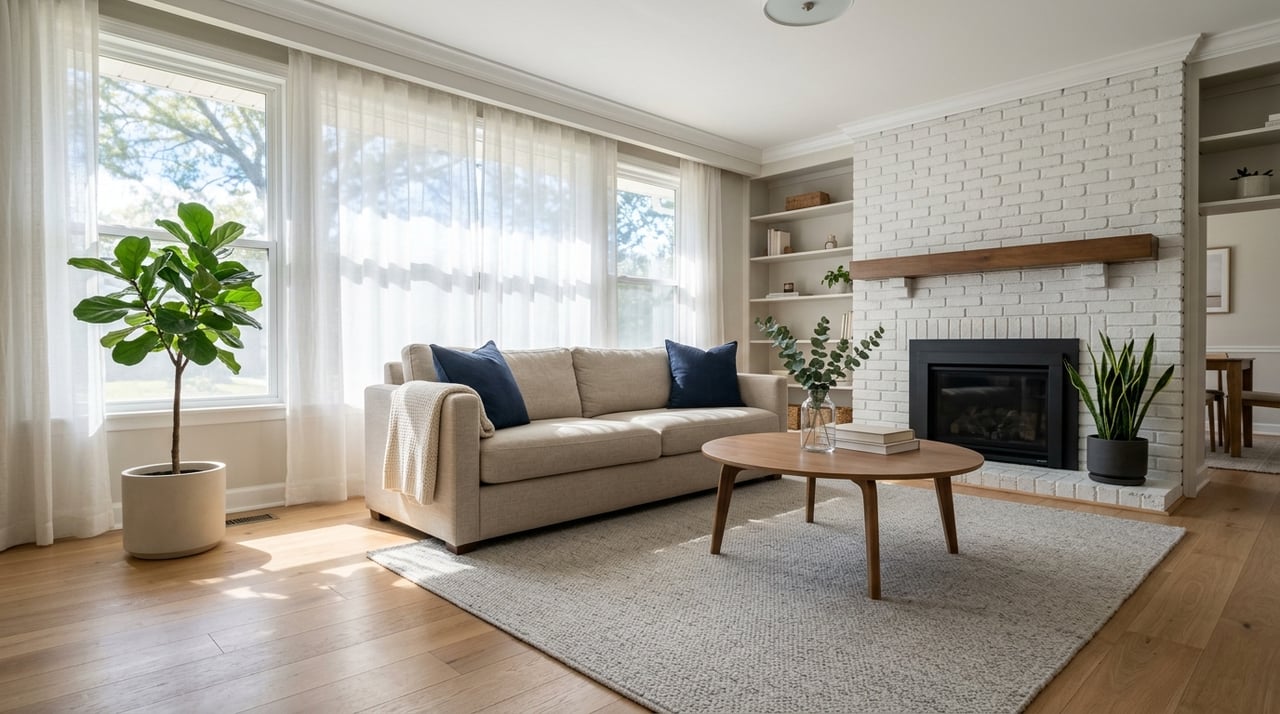
Your living room should feel open, bright, and easy to understand in one photo. Remove bulky items, simplify shelves, and create a clear conversation area. A few well-placed pieces usually photograph better than a room filled with furniture and accessories.
Primary bedroom
Buyers respond well to a primary bedroom that feels restful and uncluttered. Keep bedding simple, clear off nightstands, and limit décor to a few neutral accents. The goal is to show space, light, and function.
Kitchen
In the kitchen, less is usually more. Clear counters, hide small appliances when possible, and make sure surfaces shine. Even a nice kitchen can look busy in photos if every inch is filled.
Dining room
A dining room does not need elaborate styling to look finished online. A clean table, a centered light fixture, and enough visible floor space often do the job. Keep place settings and centerpiece items simple so the room does not feel staged too heavily.
Keep secondary rooms simple
Not every space needs the same level of attention. In NAR’s survey, guest bedrooms and children’s bedrooms were the least commonly staged rooms. That means you can keep these spaces neutral and tidy without fully styling them.
If you have an extra bedroom, focus on making it look clean and versatile. Buyers should be able to see the room size and imagine how they might use it. A simple bed setup, clear surfaces, and open floor space are often enough.
Curb appeal counts online too
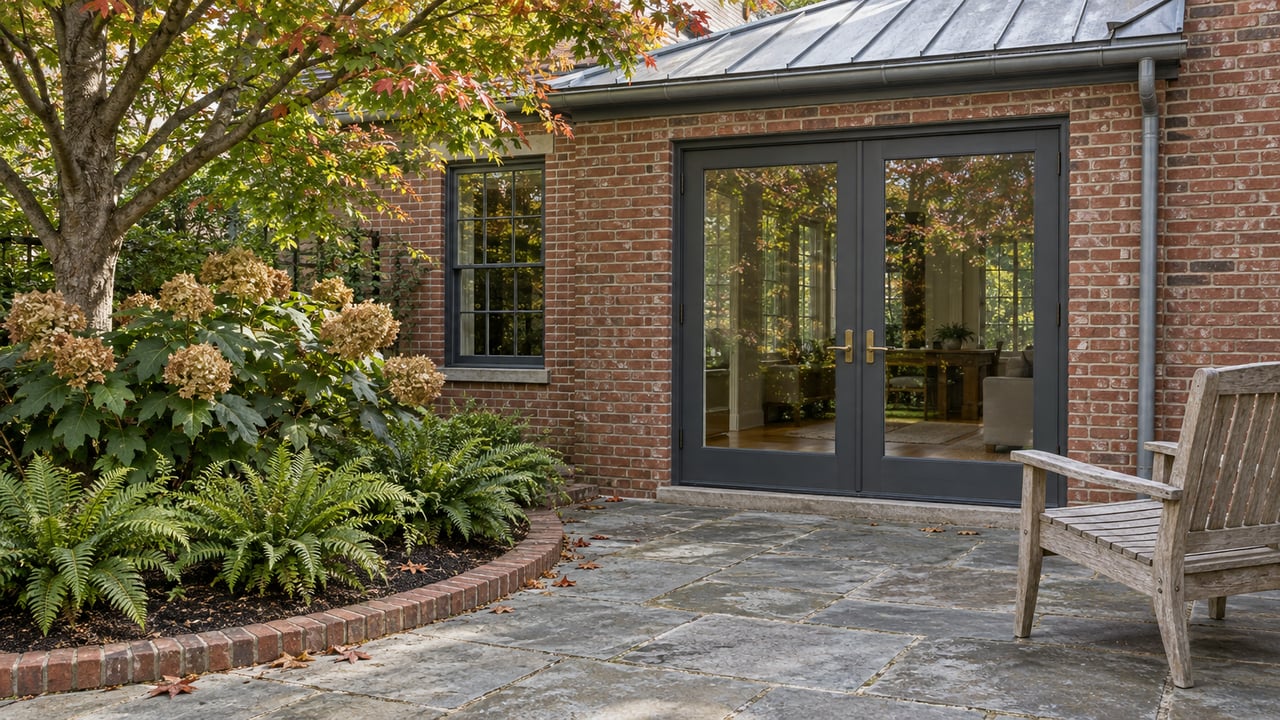
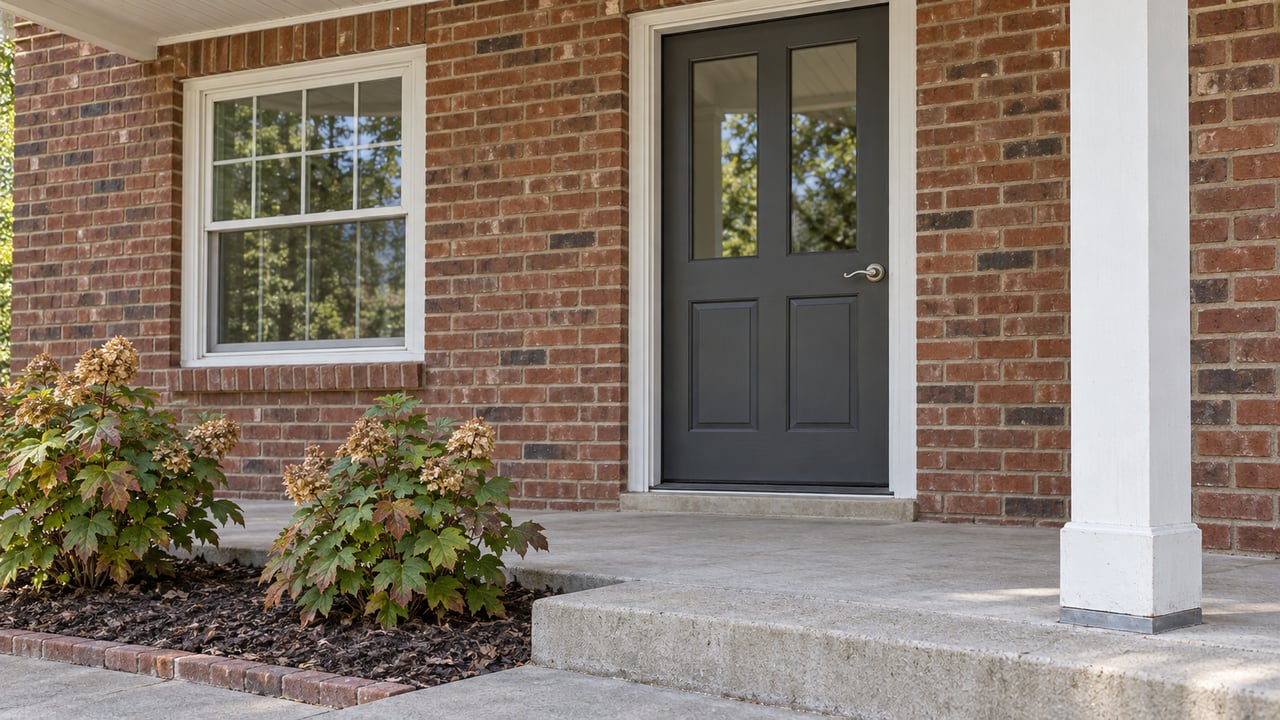
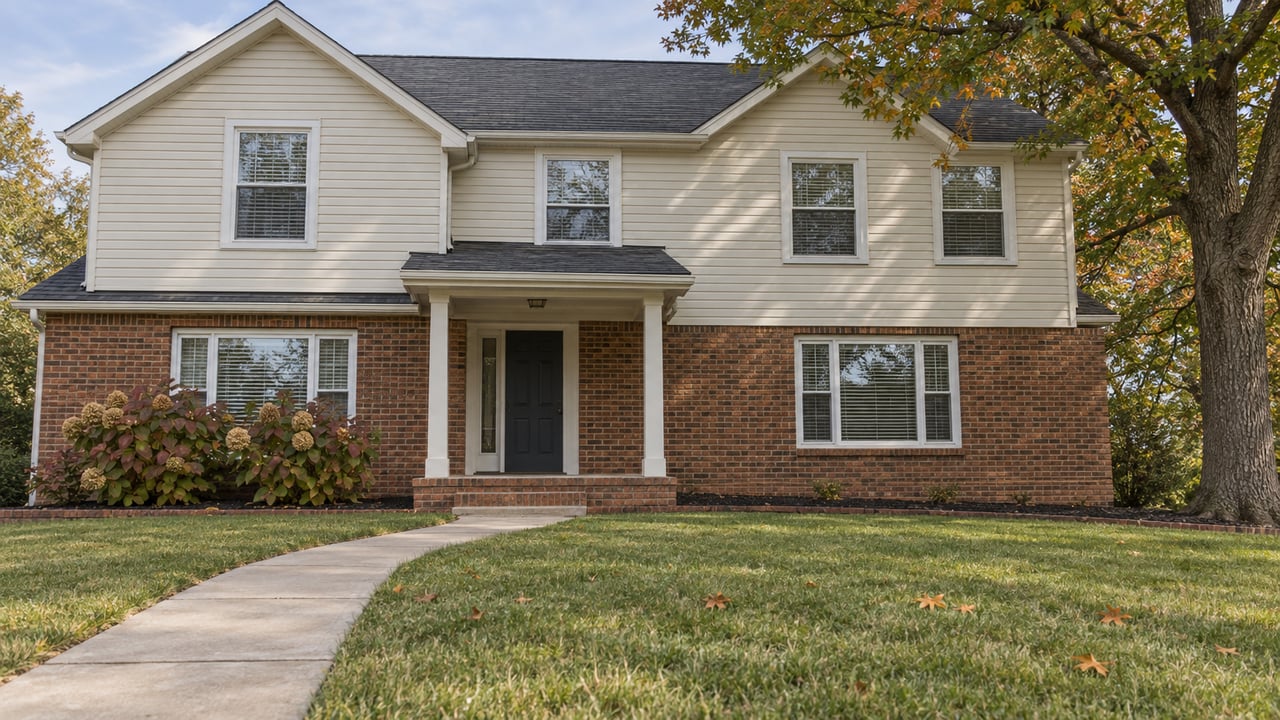
Online staging starts before buyers ever get to the front door. Your exterior photo is often the first image buyers see, so the outside of your home deserves just as much thought as the inside.
Trim landscaping, sweep porches and walkways, and remove anything that looks distracting from the front elevation. A clean entry, neat yard, and visible house numbers can help your listing feel more polished from the start.
Stage for the camera, not just in person
A room that feels fine in everyday life can still fall flat in listing photos. That is why it helps to prepare your home specifically for photography.
NAR recommends cleaning light fixtures, dusting thoroughly, replacing burned-out bulbs, keeping props simple, closing toilet lids, and using softer light with careful composition. It also warns against over-accessorizing. In photos, a restrained look usually feels more spacious and more current.
Photo-day details that make a difference
- Turn on lamps and overhead lights if advised for the shoot
- Open blinds or curtains to bring in natural light
- Hide cords, remotes, tissue boxes, and trash cans
- Straighten pillows, rugs, and chairs
- Put away pet items when possible
- Close toilet lids and clear bathroom counters
- Remove magnets and papers from the refrigerator
- Check every room through a phone camera before the photographer arrives
What staging can and cannot do
Staging is helpful, but it is not magic. In the 2025 NAR report, 19% of sellers’ agents said staging increased the dollar value offered by 1% to 5%, and 30% said it slightly reduced time on market. At the same time, 41% of buyers’ agents said staging had no impact on dollar value.
That does not mean staging is not worth doing. It means staging works best as part of a bigger strategy that includes pricing, marketing, and strong presentation. Think of staging as a tool that helps your home compete better online and encourages more buyers to take the next step.
When virtual staging makes sense
Virtual staging can help if a room is vacant or hard to picture with furniture. It may give buyers a better sense of scale and layout, especially in empty spaces that feel cold in photos.
Still, virtual staging should support the listing, not mislead buyers. NAR guidance says digitally altered or virtually staged images should be disclosed so buyers understand what they are seeing. Traditional photos, physical staging, videos, and virtual tours still rank as more important than virtual staging for most listings.
How Laurel’s marketing approach supports staging
Strong staging matters most when it is paired with smart exposure. Laurel’s seller strategy focuses on driving the most traffic in the first three weeks after becoming a client, using social media campaigns, agent-to-agent referrals, traditional media, and SEO advertising.
That makes prep work especially important. When your home hits the market, you want the photos to be ready to carry that early attention. A clean, well-staged listing gives Laurel’s marketing plan more to work with from day one.
A practical plan before you list
If you are getting ready to sell in Simpsonville, try this order of operations:
- Declutter and depersonalize the whole home
- Deep clean every room
- Make small repairs and paint touch-ups
- Improve curb appeal
- Stage the living room, primary bedroom, dining room, and kitchen first
- Simplify the remaining rooms
- Prepare carefully for photo day
- Launch with a strong marketing plan
This approach keeps your budget focused on the changes most likely to improve your online presentation. It is practical, realistic, and well suited to sellers who want to make a strong first impression without over-improving.
If you are wondering where to start, the right guidance can save you time and help you focus on the updates that matter most. For hands-on staging advice, local pricing insight, and a thoughtful plan to prepare your Simpsonville home for the market, connect with Laurel Caylor at Coldwell Banker Caine.
FAQs
What rooms should you stage first in a Simpsonville home?
- If you can only focus on a few rooms, start with the living room, primary bedroom, dining room, and kitchen because those are the spaces buyers notice most often.
How important are listing photos when selling a Simpsonville home?
- Listing photos are extremely important because more than 90% of buyers search online, and 85% say photos are the top factor in deciding which homes to visit.
Does home staging always raise the sale price of a Simpsonville home?
- Not always. Staging can help presentation and may reduce time on market, but it works best alongside smart pricing and marketing rather than as a guaranteed value boost.
Can you stage a Simpsonville home on a budget?
- Yes. Budget-friendly staging usually starts with decluttering, deep cleaning, depersonalizing, curb appeal, minor repairs, and simple room styling before spending money on major décor updates.
Is virtual staging a good option for a Simpsonville listing?
- Virtual staging can help vacant or awkward spaces look more understandable online, but it should be disclosed clearly and should not replace honest photography and thoughtful preparation.
Why does online presentation matter so much in Simpsonville?
- Online presentation matters because Simpsonville is a connected market where many buyers begin their home search online, compare listings quickly, and decide which homes to tour based on visual first impressions.