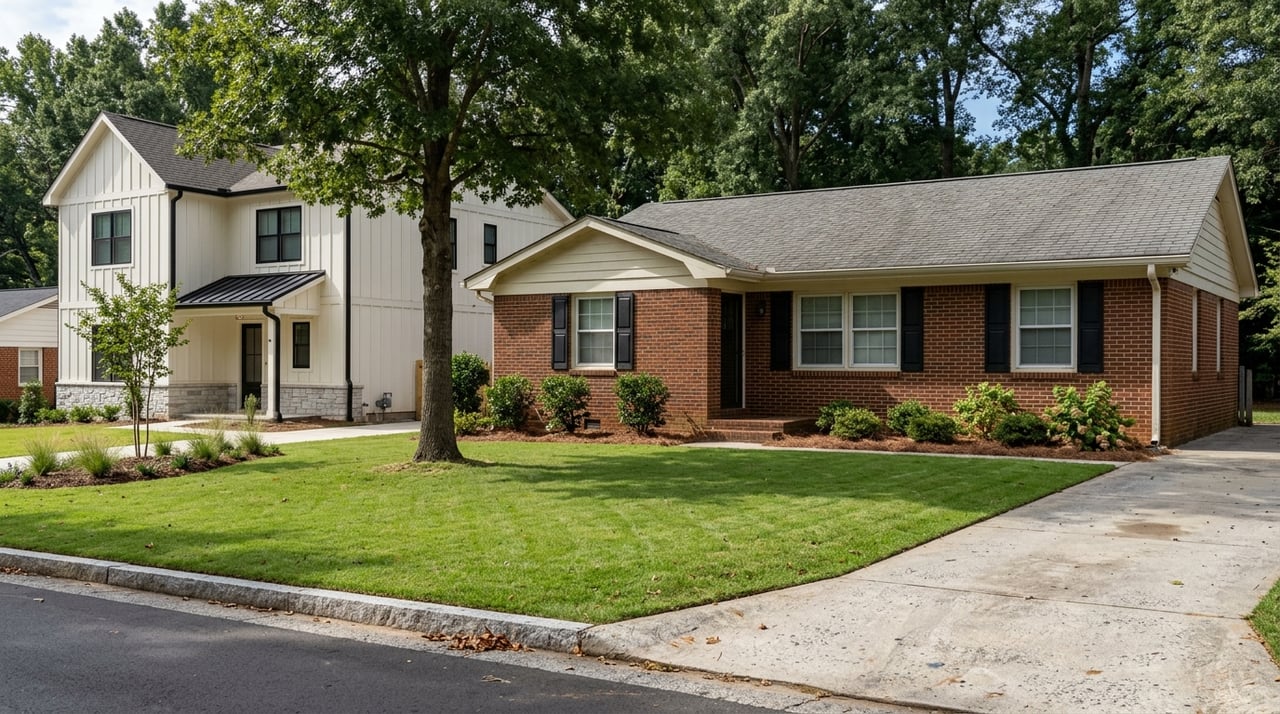
Wondering whether an older neighborhood or a newer subdivision is the better fit in Simpsonville? It is a smart question, especially in a city where so much of the housing stock is relatively new, yet a few established areas offer a very different feel. If you are trying to balance lot size, upkeep, amenities, and day-to-day lifestyle, this guide will help you compare the trade-offs with more confidence. Let’s dive in.
Why Simpsonville Gives You Both Options
Simpsonville leans newer overall. According to the Census Reporter ACS profile, 46% of housing units were built from 2010 to 2017, 25% were built from 2018 to 2020, and 5% were built since 2021. Only 4% of housing units were built before 1990.
That means many buyers will naturally see newer construction during their search. At the same time, established neighborhoods still stand out because they often sit closer to long-settled streets, mature landscaping, and parts of town that feel more rooted.
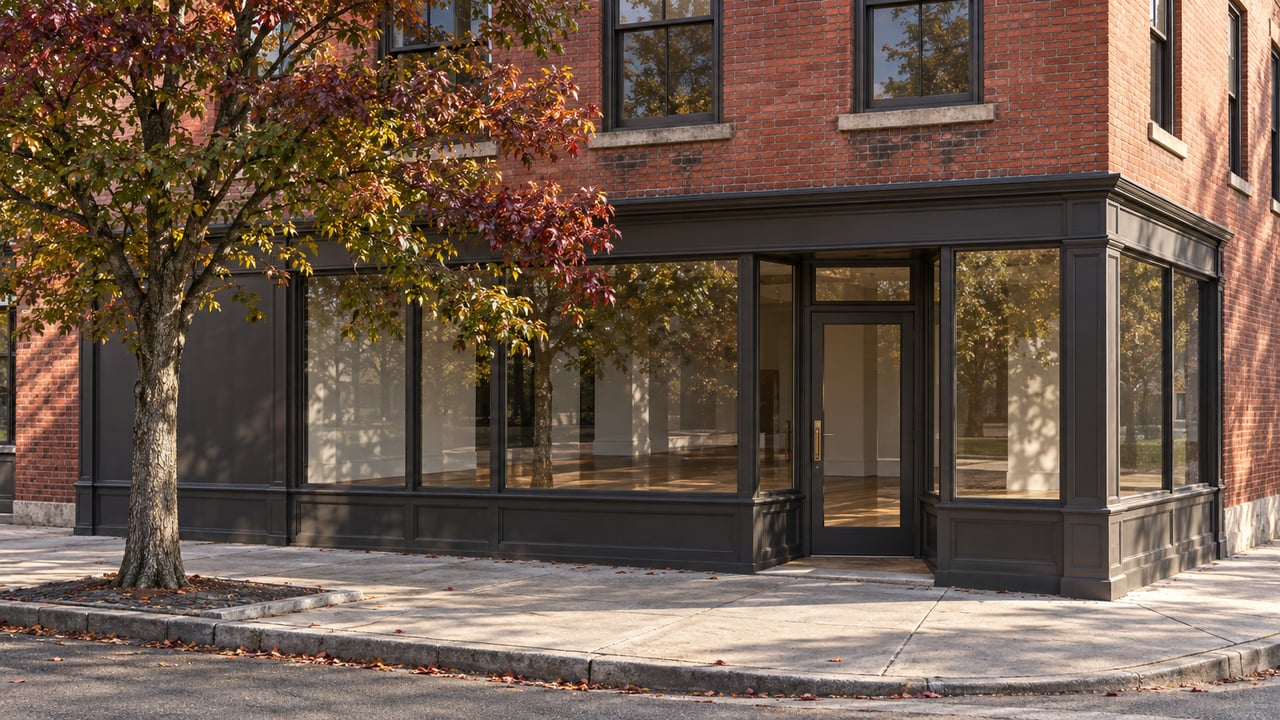
Downtown Simpsonville also shapes how different neighborhoods feel. The city highlights local restaurants, boutiques, mixed-use development, the Swamp Rabbit Trail segment, the CCNB Amphitheatre, and the Simpsonville Arts Center, which means close-in neighborhoods can offer a different experience than subdivisions farther out.
What Older Neighborhoods Often Offer
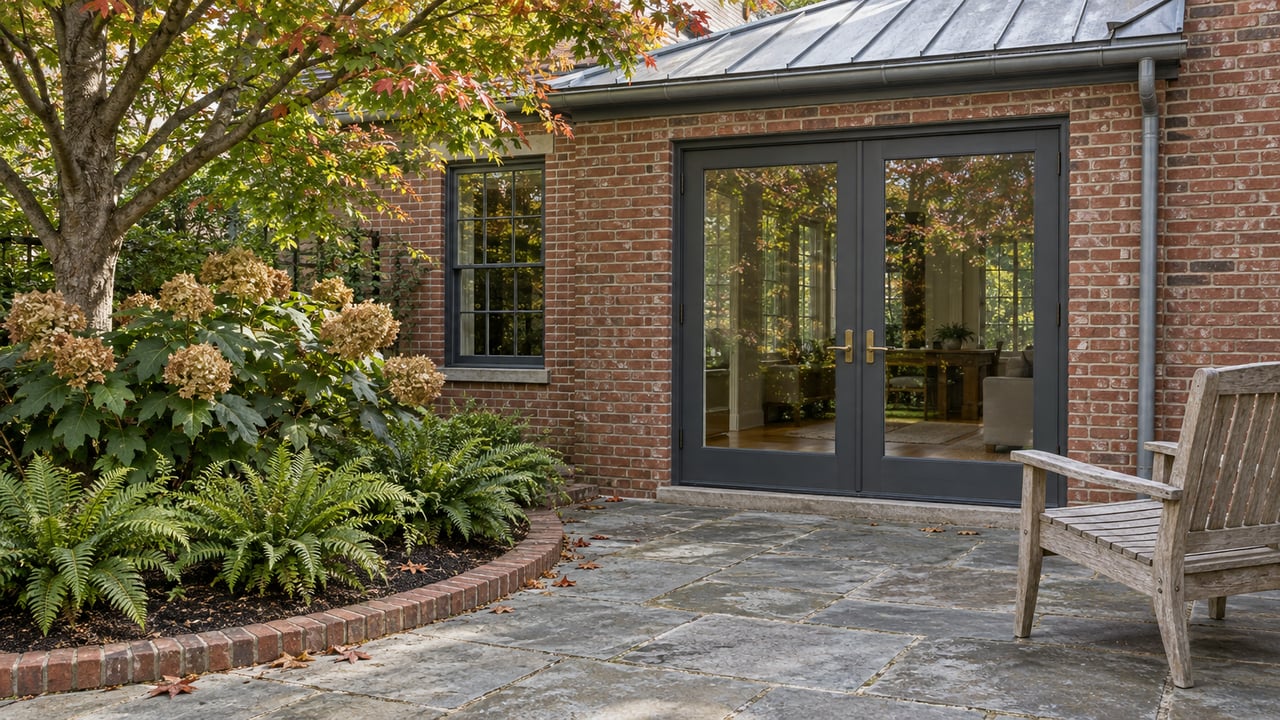
Older neighborhoods in Simpsonville usually appeal to buyers who want a more established setting. In local examples, that can mean larger private lots, mature trees, and a street pattern that feels less uniform than newer planned communities.
Poinsettia is a good example. It describes itself as one of the oldest Simpsonville neighborhoods and notes its mature trees, large lots, and location near Main Street and the city park.
A local listing source describes Poinsettia homes as largely all-brick ranch and traditional-style homes on lots ranging from about 0.25 acres to 2 acres. While that is just one neighborhood example and not a citywide rule, it helps show why some buyers are drawn to older areas.
Larger Lots and Mature Trees
If outdoor space matters to you, established neighborhoods may deserve a close look. Larger lots can give you more privacy, more room for gardening or play, and a bit more separation from neighboring homes.
Mature trees are another major draw. They can make a neighborhood feel shaded, settled, and visually distinctive, but they can also bring more seasonal yard work.
Poinsettia mentions leaf pickup guidance, and Simpsonville Public Works provides yard-waste collection. That is a practical reminder that beautiful tree cover often comes with more maintenance from season to season.
Less Uniform HOA Structures
One important thing to know is that older neighborhoods are not all the same when it comes to governance. Some may have a lighter community structure, while others still have formal rules and dues.
For example, Poinsettia says it is not an HOA but a community club. Long Creek Plantation, by contrast, is a formal HOA with elected board members and written covenants.
That difference can affect everything from monthly costs to exterior changes to access to amenities. If you are comparing older neighborhoods, it is worth asking very specific questions instead of assuming they all operate the same way.
Established Amenities Can Still Be Strong
Older does not mean amenity-free. Long Creek Plantation describes itself as a 359-home established neighborhood with mature trees, open spaces, a clubhouse, junior Olympic pool, kiddie pool, soccer field, playground, picnic area, and nearly 2.5 miles of trails along the Reedy River and Rocky Creek.
That is a good example of why buyers should look beyond age alone. Some established neighborhoods offer a mix of space, greenery, and amenities that can be hard to replicate elsewhere.
What Newer Neighborhoods Often Offer
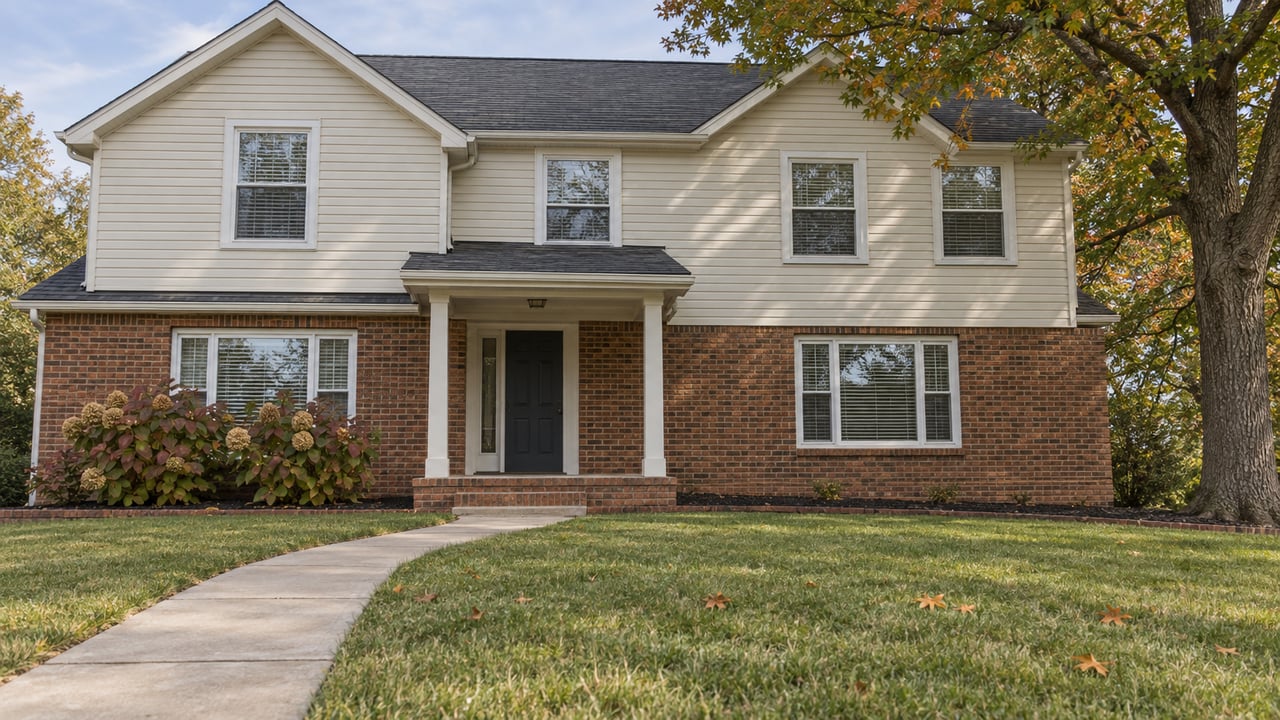
Newer subdivisions in Simpsonville usually attract buyers who want predictable layouts, modern floor plans, and shared amenities. Since so much of Simpsonville’s housing was built in the last 15 years, this is a big part of the local market.
The city’s 2040 plan also shows that growth is being managed through land-use planning and development rules. In city-zoned areas, lot size must conform to zoning requirements, and the plan calls for variation in lot sizes within new developments.
In practice, newer communities often feel more intentionally planned from the start. That can make them appealing if you want a neighborhood with a coordinated look and more defined common spaces.
Modern Plans and Planned Features
Local examples show the range of what newer Simpsonville communities can include. Arbor Gate in Five Forks offers 57 lots, a 2.5-acre central park, and floor plans ranging from 1,982 to 4,450 square feet.
The community also shows ranch plans and two-story options, with farmhouse, craftsman, and traditional-style elevations. That kind of variety is common in newer neighborhoods where buyers want newer layouts but still like some design choice.
South Main Place is a smaller development with 15 homesites, outdoor living space for each home, and common outdoor areas designed to encourage neighbor interaction. Hartridge Manor advertises ranch and two-story plans, a private resort-style pool, cabana, playground, and basement homesites.
More Predictable Upkeep
One reason buyers like newer homes is the sense of fewer immediate repairs. While no home is maintenance-free, a newer property may reduce the chance of needing major updates right away.
That said, newer homes still need regular care, especially in South Carolina’s hot and humid climate. Moisture control matters, and cooling systems need to handle both heat and humidity well.
Some buyers also appreciate the warranty structure that often comes with new construction. Typical new-home warranties often cover workmanship and materials for one year, HVAC, plumbing, and electrical systems for two years, and major structural defects for up to 10 years, though coverage often excludes appliances, small cracks, and living costs during repairs.
More HOA Rules and Shared Costs
Newer subdivisions often come with more predictability in appearance and common-area upkeep, but that usually means dues and rules. South Main Place says its HOA fees apply to common areas, street lights, and landscaping.
South Carolina consumer guidance also states that the state does not have one single comprehensive HOA law, but associations must follow the South Carolina Homeowners Association Act, and sellers must disclose whether a property is governed by an HOA.
For you as a buyer, that means it is smart to review dues, architectural standards, amenity access, and any shared maintenance obligations before you fall in love with a house. A newer home may look simple on the surface, but the community structure matters just as much as the floor plan.
Older vs Newer: The Real Trade-Offs
The better choice usually comes down to your lifestyle, not just the age of the home. Older and newer neighborhoods in Simpsonville can both be great options, but they often solve different problems.
Here is a simple way to think about it:
| Feature | Older Neighborhoods | Newer Neighborhoods |
|---|---|---|
| Lot size | Often larger in local examples | Often more standardized |
| Trees and landscaping | More mature | Newer, more recently planted |
| Home style | Ranch and traditional styles are common in some areas | Ranch and two-story plans are common |
| Amenities | Varies widely by neighborhood | Often planned into the community |
| HOA structure | Can range from none to formal HOA | More likely to have dues and rules |
| Maintenance needs | May need more system updates or yard work | Often fewer immediate updates, but still ongoing maintenance |
This comparison is based on local neighborhood examples, not a universal rule. That is why it helps to evaluate each community on its own terms.
Questions to Ask Before You Choose
The most useful questions are often practical ones. Instead of asking only whether a neighborhood is older or newer, ask how it will affect your budget and routine.
Consider these questions as you tour homes:
- How large is the lot, and how much yard upkeep will it require?
- Are there mature trees, and if so, what seasonal maintenance comes with them?
- Is there an HOA, a community club, or no formal structure at all?
- What are the dues, and what do they cover?
- Are there architectural rules for fences, paint colors, additions, or landscaping?
- Which shared amenities are included, and how often would you use them?
- Does the home seem likely to need near-term updates to HVAC, plumbing, electrical, or other major systems?
- If the home is new, what warranty coverage is actually included?
These questions can save you from choosing a home that looks right at first glance but does not fit your day-to-day priorities.
How to Match the Neighborhood to You
If you want a more settled look, bigger lot potential, and a location that may feel closer to long-established parts of town, an older neighborhood may be worth the trade-off of more maintenance or less predictable community structure.
If you want a more streamlined setup, newer finishes, and amenities that are planned into the neighborhood from day one, a newer subdivision may fit better. You may give up some lot size or flexibility, but gain convenience and consistency.
For many buyers, especially first-time and relocating buyers, the key is having someone help you compare the full picture. The right choice is rarely just about the house itself. It is about how the neighborhood supports the way you want to live.
If you are weighing older versus newer neighborhoods in Simpsonville, working with a local expert can make the process much clearer. Laurel Caylor at Coldwell Banker Caine can help you compare neighborhoods, narrow your priorities, and find the Simpsonville home that fits your lifestyle and goals.
FAQs
What is the difference between older and newer neighborhoods in Simpsonville?
- In local examples, older neighborhoods often offer larger lots, mature trees, and a more established setting, while newer neighborhoods more often offer planned amenities, modern floor plans, and more predictable upkeep.
Are most homes in Simpsonville older or newer?
- Simpsonville leans newer overall, with 46% of housing units built from 2010 to 2017, 25% built from 2018 to 2020, and 5% built since 2021, while only 4% were built before 1990.
Do older Simpsonville neighborhoods always have less restrictive HOAs?
- No. Some established neighborhoods may have lighter community structures, while others have formal HOAs with dues, covenants, and elected boards.
Do newer Simpsonville neighborhoods usually have HOA fees?
- Many newer subdivisions are more likely to have HOA dues and shared community rules, especially when they include common areas, landscaping, lighting, or amenities.
What should buyers check when touring older homes in Simpsonville?
- Buyers should pay close attention to major systems and overall condition, including structural, electrical, plumbing, HVAC, interior, and exterior components, along with yard maintenance needs tied to mature landscaping.
Are newer homes in Simpsonville maintenance-free?
- No. Newer homes may have fewer immediate update needs, but they still require regular maintenance, especially moisture and humidity control in South Carolina’s climate.
How do I choose between an older and newer Simpsonville neighborhood?
- Focus on your priorities for lot size, amenities, HOA rules, maintenance, and daily lifestyle, then compare specific neighborhoods rather than relying on age alone.