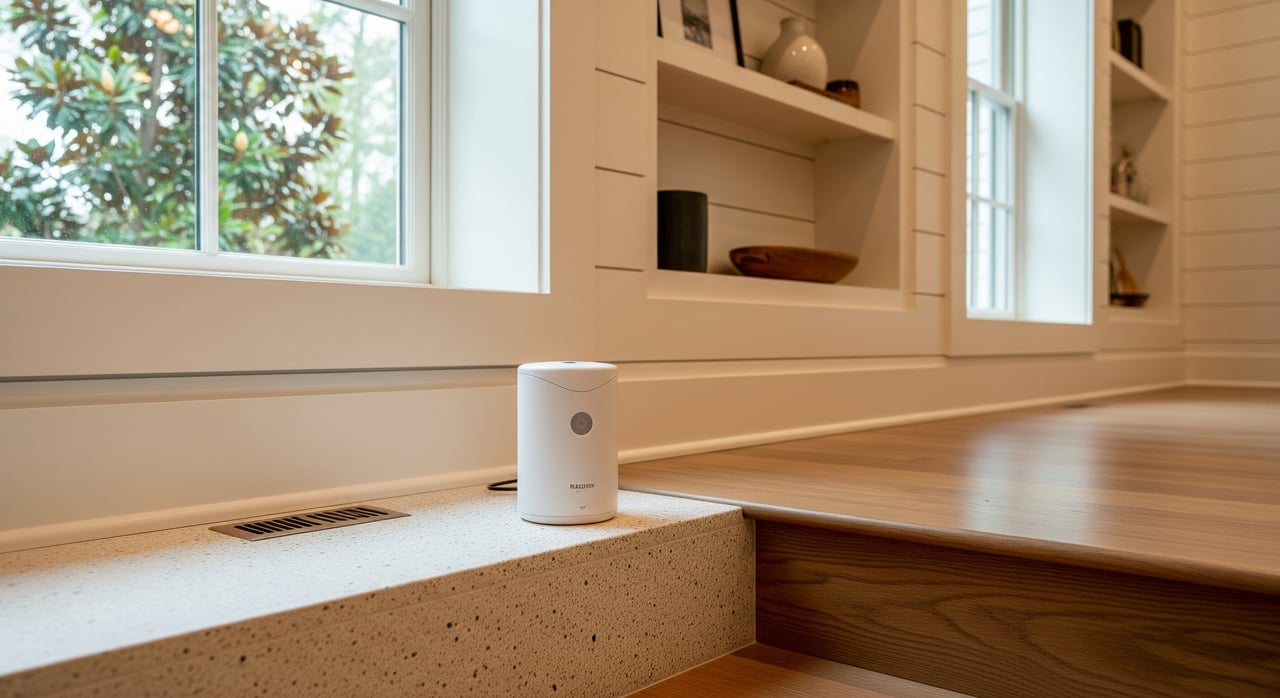
If you’re buying or owning a home in Mauldin, you’ve probably heard about radon at least once and wondered if it’s a real concern. You want a safe, healthy home and clear guidance that fits the Upstate. The good news is that radon testing is simple and affordable, and you can take action if levels are elevated. In this guide, you’ll learn what radon is, how to test in Mauldin, what results mean, and how mitigation works so you can move forward with confidence. Let’s dive in.
Radon basics and why Mauldin should test
Radon is a naturally occurring radioactive gas that comes from the soil and rock beneath your home. You can’t see or smell it, and it can build up indoors, especially on the lowest lived-in level. According to the U.S. Environmental Protection Agency and the Centers for Disease Control and Prevention, radon is the second leading cause of lung cancer in the United States and the leading cause among non-smokers.
There is no known safe level of radon. Risk increases with higher concentrations and longer exposure. The EPA recommends mitigation at or above an “action level” of 4 picocuries per liter (pCi/L). Many homeowners also consider taking steps if long-term averages fall between 2 and 4 pCi/L.
In the Upstate, radon potential can vary from house to house. State and national maps show parts of Greenville County with elevated potential, but maps can’t predict your exact number. Testing is the only way to know your Mauldin home’s radon level.
To explore state resources and local guidance, visit the South Carolina Department of Health and Environmental Control radon program.
How to test your Mauldin home
DIY kits vs professional testing
You have two solid options:
- Do-it-yourself kits. Short-term kits are common for quick checks and real estate transactions. Long-term kits run 90 days to a year and give a better year-round average.
- Certified professional testing. Pros use continuous radon monitors that record hourly values and document test conditions. This is helpful during inspections and closings.
If you are on a tight deadline or in a transaction, hiring a certified measurement professional can simplify the process and provide a clear report.
Short-term vs long-term tests
- Short-term tests typically run 2 to 7 days. They provide a fast snapshot and are useful for screening or during an inspection contingency.
- Long-term tests run 90 days to 12 months. They are more accurate for understanding average exposure across seasons.
If a short-term result is close to 4 pCi/L, consider a long-term test to confirm your average.
Where to place the test
Test the lowest level of the home that you use regularly for living space. In Mauldin, that could be a finished basement, a ground-floor living area, or a bonus room above a garage. If you have a basement or lower level you do not use often, a short-term test there still matters, because conditions can change and future owners may finish or use that space.
Set closed-house conditions
For short-term testing, keep windows and exterior doors closed as much as possible for 12 hours before the test and throughout the test period. Use doors only for normal entry and exit. Avoid strong ventilation that could skew results, such as running whole-house fans. Follow the test kit instructions closely.
How to read your results
- Below 4 pCi/L. This is under the EPA action level. Many homeowners choose to retest seasonally or run a long-term test for confirmation.
- Between 2 and 4 pCi/L. Consider retesting. A long-term test provides a better picture of your average. Consult a professional if the average is near 4 pCi/L.
- At or above 4 pCi/L. The EPA recommends mitigation to reduce levels.
To learn more about health risks and the EPA’s guidance, review the EPA radon information and CDC radon overview.
Where to get test kits in South Carolina
Retailers and online labs sell reliable short-term and long-term kits. South Carolina’s radon program sometimes offers low-cost or seasonal promotions. Check the SCDHEC radon program page for current options and local guidance.
Guidance for Mauldin buyers and sellers
For buyers during a transaction
- Include a radon testing contingency in your offer. Your real estate agent can help you write clear thresholds, timelines, and responsibilities.
- Decide whether to accept an existing result or order your own test. A certified professional using a continuous radon monitor provides detailed and documented readings.
- If results are high, you can negotiate seller-paid mitigation, a price adjustment, or installation prior to closing with an acceptable post-mitigation test.
For sellers before you list
- Consider pre-testing. Documented results can reduce uncertainty for buyers.
- If levels are elevated, completing mitigation and providing post-mitigation test reports can streamline negotiations and build buyer confidence.
- Keep records. Save test results, system details, warranties, and any permits for your property file.
Consult your agent or a local attorney for South Carolina disclosure requirements and contract language. This helps ensure you follow best practices without providing legal advice.
Hiring a qualified radon professional
Credentials to look for
Work with a certified radon measurement or mitigation professional. Look for:
- Certification with the National Radon Proficiency Program
- Certification with the National Radon Safety Board
- Adherence to current ANSI/AARST standards. You can learn about these standards from the American Association of Radon Scientists & Technologists
Smart questions to ask
- Are you certified by NRPP or NRSB? May I see your certification ID?
- What testing method will you use, and how is your equipment calibrated?
- Can you share sample reports, references, and proof of insurance?
- For mitigation: Will you provide a written estimate, expected reduction, timeline, and a plan for post-mitigation testing? What are the warranties on the fan and workmanship?
Permits, warranties, and follow-up
Some installations may need permits, such as electrical work for the fan or roof venting. Ask your contractor whether they will secure permits with Greenville County or the City of Mauldin as required. Confirm fan and workmanship warranties and make sure a post-installation test is included in the plan.
Mitigation basics for Greenville County homes
Common mitigation methods
- Active soil depressurization for slabs and basements. A fan and vent pipe pull radon from beneath the slab or block foundation and vent it above the roofline.
- Sub-membrane depressurization for crawlspaces. A durable plastic membrane seals the soil, and a fan draws air from beneath it to the exterior.
- Sealing openings and cracks. Sealing helps the system work better but is not effective on its own.
- Ventilation strategies. In some cases, added mechanical ventilation or a heat-recovery ventilator can be part of a comprehensive plan.
What to expect after mitigation
A properly designed and installed system typically reduces indoor radon levels significantly, often well below 4 pCi/L. A post-mitigation test is essential to confirm performance. Many professionals recommend a follow-up long-term test for added assurance.
Maintenance and operation
Radon fans run continuously and use a small amount of electricity. Plan periodic checks to confirm the fan is operating and that labels and piping remain intact. Keep your test reports and warranty information handy for future reference or disclosure.
A simple step-by-step plan for Mauldin homeowners
Get a test kit or hire a certified tester. Use the SCDHEC radon program for local guidance, or find certified pros through the NRPP directory or NRSB directory.
Test the lowest lived-in level under closed-house conditions. Follow instructions closely. Consider a long-term test or seasonal retests for a fuller picture.
If results are 4 pCi/L or higher, get at least two written mitigation estimates from certified contractors who follow ANSI/AARST standards. Ask about permits, warranties, and post-mitigation testing.
Retest after installation to verify results, then keep all records. Save reports and warranty documents for future buyers and your own peace of mind.
Local notes for Mauldin and Greenville County
- State resources. The SCDHEC radon program is your go-to for South Carolina testing information, kit availability, and educational materials.
- Permits and codes. Ask your installer about permit needs for Mauldin or Greenville County. Confirm who will obtain them and the expected timeline.
- Real estate disclosure. Requirements can vary. Consult your real estate agent or a local attorney for guidance on South Carolina disclosures and standard contract language about radon.
Protecting your household from radon starts with a simple test. Whether you are staying in your Mauldin home for years or preparing for a sale, proactive steps now can prevent surprises later and support a smoother transaction.
Ready to talk through radon testing, next steps, and how it fits into your Mauldin buying or selling plan? Let’s Connect — Schedule Your Consultation with Unknown Company.
FAQs
How common is elevated radon in Mauldin homes?
- Levels vary from house to house, even on the same street. State and national maps show parts of the Upstate with elevated potential, but testing each home is the only reliable way to know.
What is the EPA action level for radon?
- The EPA recommends mitigation at or above 4 pCi/L. Many people also consider action for long-term averages between 2 and 4 pCi/L.
How long does a radon test take in a real estate inspection?
- Short-term tests typically run 2 to 7 days. Certified professionals using continuous monitors can provide documented results within most inspection periods.
Who pays for radon mitigation in a Mauldin home sale?
- It is negotiable between buyer and seller. Address the responsibility, acceptable levels, and timelines in your purchase agreement.
Does mitigation eliminate radon permanently?
- Mitigation systems significantly reduce radon levels. Fans run continuously and require occasional checks. A post-installation test confirms effectiveness.
Will high radon affect my mortgage approval?
- Most lenders do not automatically deny loans for radon. Elevated results are typically handled through negotiations on mitigation or price, but always confirm your lender’s policy.