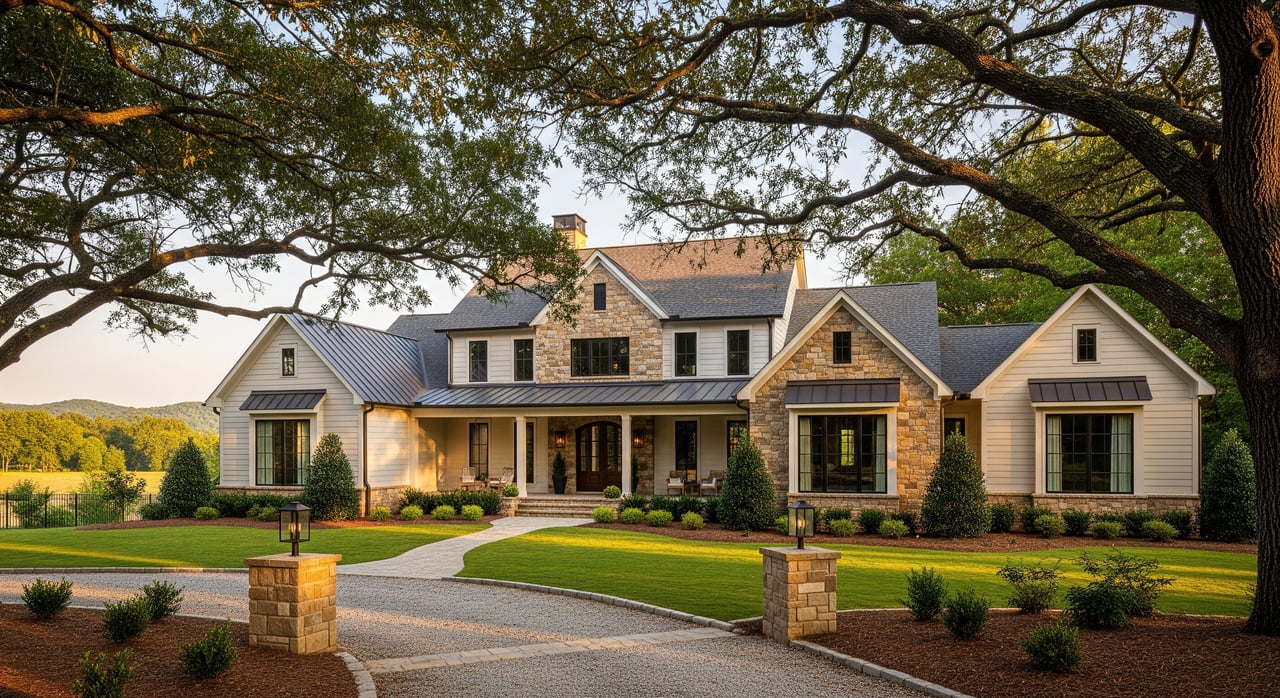
Thinking about moving to Simpsonville from out of state? You’re not alone. Many buyers choose this Greenville-area suburb for its easy access to jobs, everyday conveniences, and a variety of home styles. In this guide, you’ll learn how Simpsonville fits into the Upstate, what commutes look like, where to find parks and services, and how to buy remotely with confidence. Let’s dive in.
Why Simpsonville appeals to relocating buyers
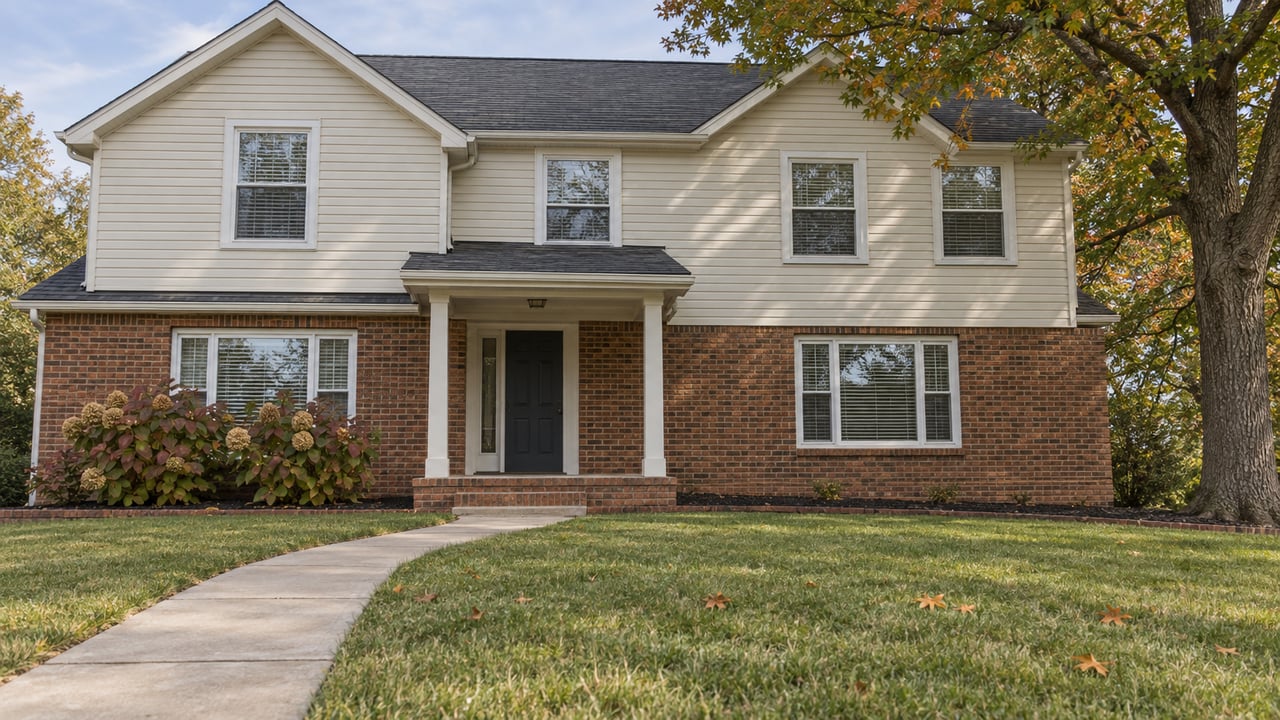
Simpsonville sits in Greenville County, southeast of downtown Greenville, within the Greenville–Spartanburg–Anderson metro area. You’ll find a suburban feel with a mix of established neighborhoods and newer communities. Housing options range from modest single-family homes and townhomes to larger suburban houses, with some patio-home communities that appeal to downsizers. Demand is influenced by proximity to Greenville, highway access, regional employment, and local amenities.
If you’re comparing suburbs, focus on how Simpsonville lines up with your priorities. Consider commute routes, HOA amenities, access to shopping and healthcare, and the type of neighborhood feel you want. A local orientation will help you narrow your shortlist quickly.
Getting around, commutes, and transit
I-385 is the main corridor connecting Simpsonville to downtown Greenville and regional job centers along I-85. Peak traffic concentrates on these routes during rush hours, so always check live conditions when planning your day. For road projects and advisories, use the South Carolina Department of Transportation website at SCDOT.
Fixed-route public transit is limited compared with larger metros. Greenville’s Greenlink provides regional service, but most residents drive. Rideshare coverage is generally available, though it can vary by time of day. For commute estimates, rely on mapping tools to compare off-peak and peak drive times from your target neighborhood.
Neighborhoods at a glance
You can choose from several neighborhood types based on your goals:
- Historic or older areas near the downtown strip, often on smaller lots with mature trees and walkable access to local shops and events.
- Newer suburban subdivisions with HOA amenities like pools, sidewalks, and community centers, popular with buyers who want more space.
- Townhomes, cottages, and patio homes that emphasize lower-maintenance living, attractive to first-time buyers and downsizers.
- Infill or renovation opportunities, typically older homes on larger lots for buyers who want to remodel.
When you’re ready to compare options, check city planning and county GIS for any proposed developments that could affect traffic or school capacity. Start with Greenville County government resources and the City of Simpsonville planning pages.
Everyday conveniences and lifestyle
Daily needs are easy to cover along major arterials where you’ll find grocery stores, pharmacies, banks, and big-box retail. Simpsonville’s downtown hosts local restaurants and seasonal events, and the broader Greenville metro adds a wide variety of dining and cultural options. Municipal parks, sports facilities, and community events are part of the local rhythm.
For up-to-date details on parks and programming, review City of Simpsonville and Greenville County parks information. If healthcare access is a priority, the region’s major systems, including Prisma Health, provide primary and specialty care within a short drive.
Jobs and the regional economy
Greenville’s economy supports a wide range of careers, from healthcare to corporate roles and advanced manufacturing. Many Simpsonville buyers commute to downtown Greenville, nearby business parks, or manufacturing campuses across the I-85 and I-385 corridor. To track employer growth and projects shaping the region, consult Greenville County Economic Development and the Upstate SC Alliance.
If you’re weighing long-term trends and demographics as part of your move, the U.S. Census Bureau’s American Community Survey offers reliable data. Pair that context with a local market snapshot to see how Simpsonville compares with nearby suburbs.
Schools and education
Simpsonville is served by Greenville County Schools, one of the largest districts in the state. School zones can play a role in your home search, so verify attendance boundaries and enrollment guidance with Greenville County Schools. For an independent look at school performance, consult GreatSchools.
Keep your school research neutral and current. Zones can change, and policies differ by program or magnet offerings. Always confirm details directly with the district before you write an offer.
What homes you’ll see
You’ll find a broad mix suited to many budgets and lifestyles:
- Entry-level single-family homes, often 2 to 3 bedrooms in older neighborhoods or smaller subdivisions.
- Mid-range suburban homes with 3 to 5 bedrooms, yards, and community amenities, common for relocating families.
- New construction in planned communities where builders may vary lot sizes and floor plans, sometimes with incentives in slower periods.
- Townhomes, condos, and patio homes offering lower-maintenance living for busy professionals and downsizers.
If new construction is on your radar, align your timeline with builder schedules and ask about incentives, warranties, and HOA details.
Remote homebuying game plan
Buying from another state can be smooth with a clear structure and strong communication. Here’s a typical timeline to set expectations:
- Phase 0 — Research and financing, 2 to 6 weeks. Define target neighborhoods, compare commute corridors, and get lender pre-approval.
- Phase 1 — Remote tours and shortlist, 1 to 3 weeks. Receive curated listings, live video walkthroughs, recorded neighborhood drives, and comps.
- Phase 2 — In-person trip, 2 to 5 days. Tour your top properties, preview neighborhoods at different times of day, and schedule inspections as needed.
- Phase 3 — Offer to close, 30 to 60 days. Inspections, appraisal, underwriting, and closing. The timeline depends on financing and contingencies.
- Post-close — Move and setup, 1 to 4 weeks. Utilities, internet, trash service, and local registrations.
Best practices to reduce surprises:
- Request consistent video tours that show exteriors, interiors, rooflines, yard scope, street context, and nearby amenities, with voiceover notes on finishes and concerns.
- Ask for neighborhood-drive videos at different times of day to see traffic and parking patterns.
- Use trusted third-party inspectors who provide detailed reports with photos and video.
- Organize digital documents with secure e-signature and remote notarization where allowed in South Carolina.
Practical logistics: taxes, insurance, utilities
Property taxes vary by jurisdiction and special tax districts. Start with the Greenville County tax assessor’s resources to estimate potential taxes for a specific address. For insurance, quotes depend on age, construction, and floodplain status. Check the FEMA Flood Map Service Center to confirm flood zone status at the FEMA portal.
Utility providers differ by neighborhood, so confirm electric, water, natural gas, and trash with city or county providers during your due diligence period. Internet options also vary by subdivision and street. Verify availability and speeds with multiple providers before closing.
A 2-day house-hunting visit checklist
Make the most of a quick trip with this simple plan:
- Day 1 morning: Drive your likely commute routes using I-385 and area arterials during peak time. Note traffic patterns and access points.
- Day 1 afternoon: Tour 3 to 4 top homes, then visit groceries, pharmacies, and parks nearby.
- Evening: Return to favorite neighborhoods to gauge noise, lighting, and parking.
- Day 2 morning: Re-tour your top 2 homes. Take room measurements, check storage, and verify yard orientation and drainage.
- Day 2 afternoon: Meet your lender or closing attorney if needed, review offer strategy, and outline next steps for inspections and appraisal.
Bring a tape measure, phone charger, notepad, and a short list of must-haves and deal-breakers. If you cannot travel, mirror this plan through live video tours and neighborhood walkthroughs.
How Laurel supports your relocation
As a locally rooted agent, Laurel pairs neighborhood expertise with modern tools to keep you informed at every step. You can expect curated listings matched to your commute and lifestyle, live and recorded video tours that surface red flags early, and trusted local introductions for lenders, inspectors, and closing professionals. You’ll have clear timelines, proactive communication, and guidance tailored to your budget and goals.
Ready to explore Simpsonville with a local who knows the streets, parks, and everyday rhythms of the Upstate? Connect with Laurel Caylor at Coldwell Banker Caine to start planning your move.
FAQs
How long is the commute from Simpsonville to downtown Greenville or GSP?
- Use I-385 for downtown Greenville and major arterials to reach GSP, and always verify current drive times with live mapping; traffic increases during rush hours.
What types of neighborhoods are available in Simpsonville?
- Options include older areas near the downtown strip, newer HOA communities with amenities, lower-maintenance townhomes and patio homes, and infill or renovation opportunities.
Where can I verify school zones and performance?
- Check attendance boundaries and enrollment details with Greenville County Schools and review independent data on GreatSchools.
How do I check for new developments or zoning changes?
- Review city planning updates and use Greenville County resources or GIS tools for proposed subdivisions and rezonings that may affect traffic or schools.
What should I know about property taxes and insurance in Simpsonville?
- Tax rates vary by location and special districts; use county resources for estimates, and verify floodplain status with FEMA’s map portal when requesting insurance quotes.
Are there public transit options in Simpsonville?
- Service is more limited than large metros, but Greenlink offers regional routes; most residents rely on personal vehicles for daily commuting.
Which employers drive demand in the area?
- Healthcare systems, advanced manufacturing, and downtown corporate roles are key, with updates available from Greenville County Economic Development and the Upstate SC Alliance.